
AdBlue storage and infrastructure: a practical guide for UK fleets
A depot can have AdBlue® on site and still have an AdBlue problem.
Having product available is only part of the picture. The real risk often sits in the system around it: how AdBlue is stored, how it’s dispensed, how stock is monitored and how easily the equipment is to inspect and maintain.
For fleets running Euro 6 vehicles, those details matter. Contaminated product, crystallised fittings, unreliable gauges, poor nozzle condition or difficult maintenance access can all create pressure for operators who need vehicles to stay compliant, available and on the road.
This guide explains how to specify and manage a reliable AdBlue system, covering the main storage risks, the BSSM framework, tank and equipment specification, dispensing control, monitoring, records and planned maintenance.
What AdBlue is and why it matters
AdBlue is a clear liquid made from purified water and urea. Modern diesel vehicles inject small amounts of it into the exhaust system, where it supports the SCR process that reduces harmful nitrogen oxide emissions.
For fleet operators, this makes AdBlue essential to both compliance and vehicle availability.
Without it, a Euro 6 vehicle may fail to meet emissions requirements, limit performance or refuse to restart, depending on the vehicle system.
AdBlue is stored and dispensed separately from fuel, whether this is a separate tank or as part of a multi compartment thank pack. If AdBlue is contaminated, unavailable or dispensed through unreliable equipment, that may impact the operation of your fleet.
That’s why AdBlue needs to be managed alongside fuel storage, dispensing equipment, gauges, monitoring and maintenance. When those elements work together, operators have better control.
Why AdBlue storage and dispensing needs careful management
AdBlue isn’t difficult to manage when the right system is in place, but it’s sensitive to poor storage, handling and maintenance.
Contamination and materials
AdBlue can be compromised by dirt, water, fuel, oil or contact with incompatible materials. Copper and copper alloys in particular should be avoided.
Contaminated product can contribute to SCR faults, avoidable repair costs and downtime.
Crystallisation
Where AdBlue meets the air, it can leave white crystalline deposits around nozzles, fittings and seals.
A small amount may be expected in day-to-day use. Repeated or heavy crystallisation can point to poor sealing, worn equipment or handling issues. This should be investigated early.
Temperature
AdBlue needs stable conditions. It should be protected from excessive heat and direct sunlight, and it can freeze in cold weather, so exposed tanks and pipework need protection if exposed to extreme temperatures.
Stock visibility
Poor stock visibility can leave operators having to react to low stock levels, unexplained variances or replenishment pressure rather than effective management in place.
Reliable equipment and access
Pumps, nozzles, hoses, gauges and alarms all affect day-to-day reliability.
Good design provides drivers with efficient dispensing, safe access for engineers, and optimal delivery control.

The BSSM framework for AdBlue storage
At OTS Group, we use the BSSM approach as a practical framework for AdBlue storage.
BSSM stands for Bunded, Specific, Stable and Managed.
It gives fleet operators a clear way to assess whether their AdBlue system is suitable for day-to-day use.
Bunded
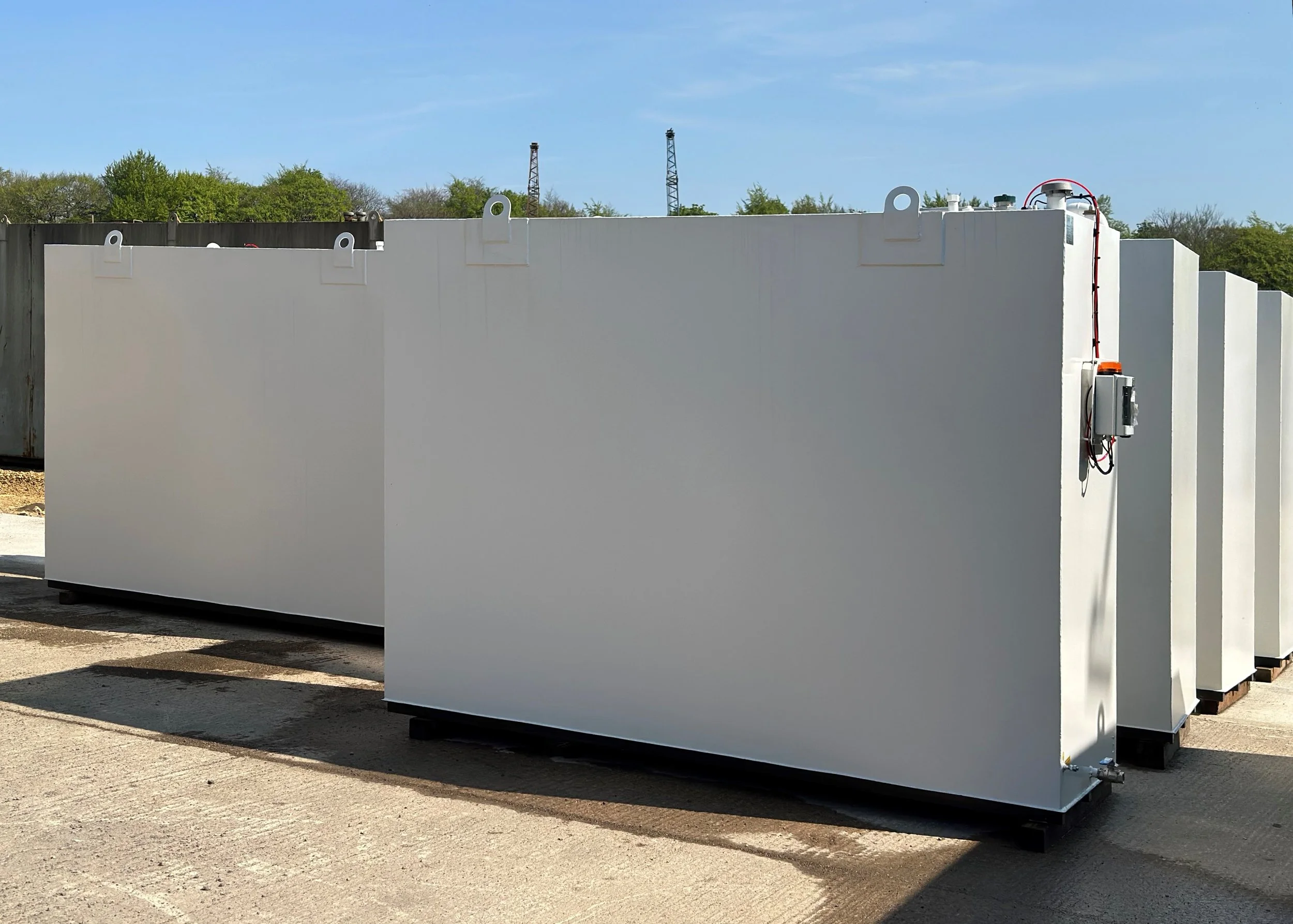
AdBlue should be stored in a bunded tank with compliant secondary containment. This reduces environmental risk in the event of a failure of the primary tank.
The dispensing area needs the same consideration to environmental impact. Drainage should be isolated from surface water drains, and sites should have spill response equipment and a clear plan for handling a spill or accident.
Specific
Every wetted part, from the tank through to the seals, should be designed for urea solution. Incompatible materials such as copper and copper alloys should be avoided.
Suitable nozzles, hoses and fill connections matter too. A dispensing nozzle with automatic shut-off helps to prevent it being left open, hoses need to be suitable and inspected regularly, and fill connections are of a dry-break type preventing any spills.
Stable
AdBlue is best stored between 0°C and 30°C.
AdBlue freezes at around -11°C, so if systems may be exposed to these types of temperatures, they need to be protected.
Similarly, if temperatures are expected to regularly rise above 30°C, tanks should be positioned out of direct sunlight to avoid overheating.
The aim is to keep the product stable and the system available throughout the year.
Managed
A well-designed system still needs regular attention.
AdBlue systems should not be installed and then left alone. Responsibility doesn’t end at installation.
Systems are vulnerable to contamination, so inspection, monitoring, stock control and planned maintenance all help protect vehicles and reduce avoidable repair costs.
AdBlue can cause irritation, so safe handling is important too. Operators should keep suitable PPE and spill kits on site and staff should know how to deal with a spill effectively.
Choosing the right AdBlue tank and equipment
The right AdBlue system starts with the right specification.
The tank is only the starting point. An effective solution considers:
Expected AdBlue usage
Delivery frequency
Vehicle flow through the depot
Location of dispensing points
Space for inspection and maintenance
Stock monitoring requirements
Environmental protection
Compatibility of all wetted parts
Future fleet growth or depot changes
For any depot, delivery planning matters. Fill points need to be accessible, delivery areas need to be controlled, and stock levels need to be monitored.
In high-throughput or sensitive environments, stainless steel may offer stronger long-term integrity. It can be particularly useful where operators need enhanced corrosion resistance and chemical compatibility across the tank and fittings. However, for a more cost effective solution, lining carbon steel tanks with AdBlue-compatible liners is an accepted industry practice.
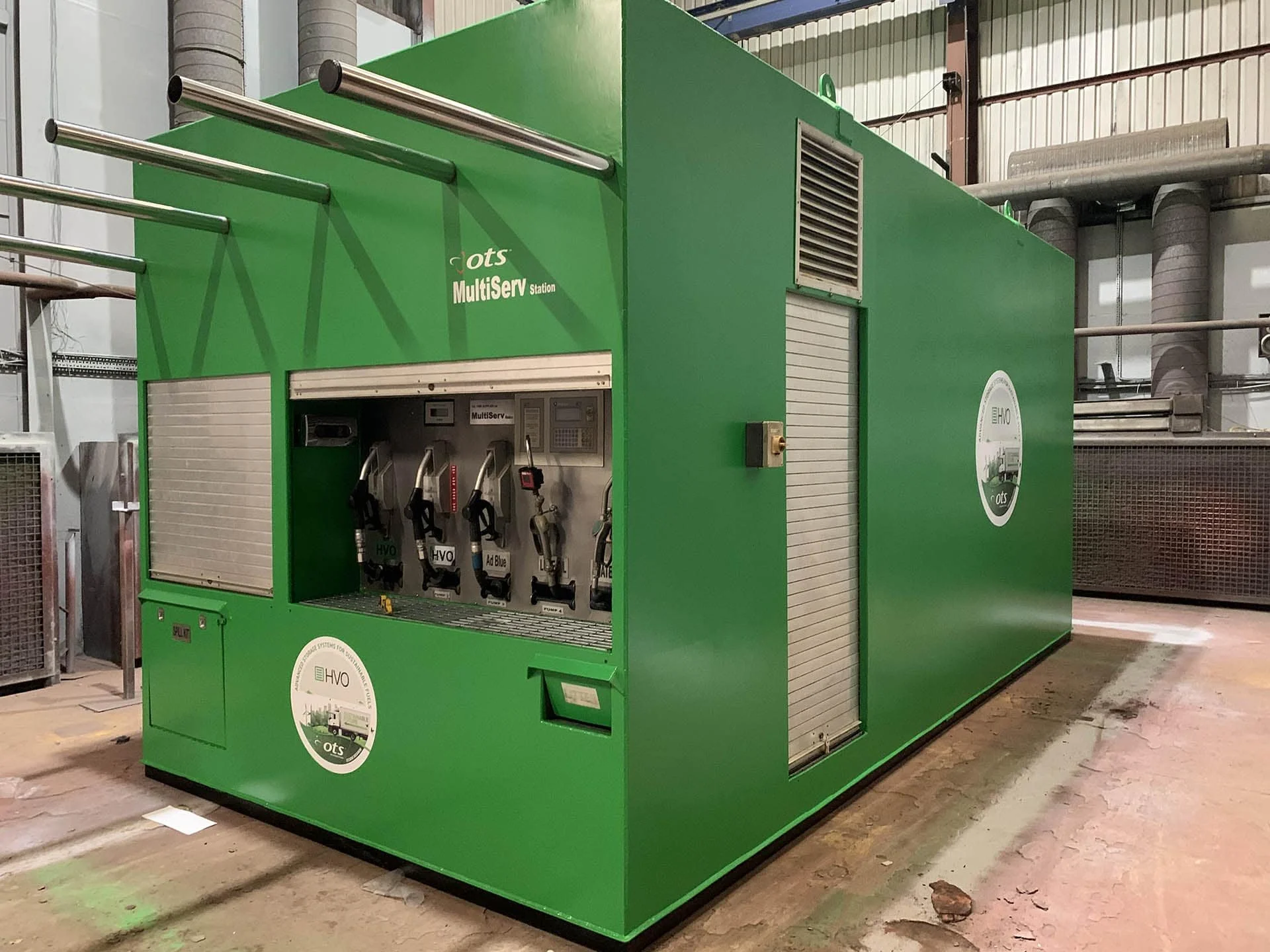
Beyond the tank itself, the design needs to fully consider all parts including pipework and seals, nozzles, hoses, overfill prevention, alarms and fill points.
Dispensing, stock control and fleet visibility
Fleet operators are used to asking detailed questions about fuel.
Who dispensed it? Which vehicle received it? How much was used? Is stock usage in line with expectations?
The same thinking should also be applied to AdBlue.
Manual stock checks give a basic view, but they are limited. They may not show usage patterns, emerging faults or replenishment risk early enough.
Tank monitoring, fuel management integration and structured reporting give operators a clearer view across their sites.
Automatic Tank Gauges can provide real-time stock visibility. Fuel management systems can link dispensing activity to vehicles, drivers and usage records. Structured reporting can support replenishment planning, variance investigation and audit readiness.
Accurate data can show when something is changing, rather than waiting for a problem to become visible on site allowing proactive rather than reactive decision making.
Planned maintenance for AdBlue systems
AdBlue systems need regular inspection in the same way as fuel storage and dispensing equipment.
A planned maintenance regime should check:
Tank condition
Bund condition
Pipework and fittings
Pump and dispenser operation
Hose and nozzle condition
Gauge accuracy
Alarm function
Overfill prevention
Fill points
Electrical components
Signs of crystallisation
Signs of leakage or staining
Stock records and usage trends
Crystallisation around fittings, poor nozzle condition or failed alarms may seem minor at first. Left unresolved, they can affect fleet availability.
Planned maintenance helps operators find those issues early and avoid unnecessary downtime.
Many common maintenance issues can be reduced through routine inspection and checks. A planned approach means maintenance happens around depot activity, rather than becoming an urgent callout when equipment fails.
For multi-site operators, a structured maintenance program keeps standards aligned across depots.
Records, compliance and audit readiness
Good AdBlue management depends on evidence.
Operators need records that show what was checked, what was found and what action was recommended.
Useful records may include:
Inspection reports
Maintenance logs
Gauge and alarm test records
Stock records
Delivery records
Dispensing reports
Spill response plans
Remedial recommendations
Dates of completed and planned work
A single inspection report shows the condition of the system at one point in time. A sequence of records will highlight any changes within the system.
This helps towards budget planning, compliance discussions, internal governance and long-term asset management.
Accurate records help operators identify patterns allowing preventative maintenance of the system. Reliable and efficient record keeping is a valuable tool for audit purposes.
Field example: AdBlue infrastructure for a major retail fleet
OTS Group completed a full site refresh for one of the UK’s largest retail fleet operators.
The project involved decommissioning legacy infrastructure and installing modern, high-capacity fuel and AdBlue systems designed for performance, compliance and ease of management.
At the heart of the installation was an 80,000-litre split-compartment storage tank, incorporating a dedicated 10,000-litre stainless steel AdBlue compartment.
While lining carbon steel tanks with AdBlue-compatible liners is an accepted industry practice, OTS recommended stainless steel in this case because of the site’s operational demands.
The compartment was fabricated entirely from stainless steel, including the manways, fittings and overfill prevention valves.
The system was integrated with Veeder-Root gauging and a Jigsaw fuel management system, giving the customer real-time visibility of fuel and AdBlue levels, automated replenishment and traceability across driver and vehicle usage.
The project highlighted why AdBlue infrastructure needs to be planned as a system. Storage, dispensing, monitoring and maintenance all need to work together. When they do, operators gain better control over day-to-day reliability and long-term fleet support.
How OTS supports AdBlue infrastructure
AdBlue is a practical part of modern fleet infrastructure.
It needs suitable storage, controlled dispensing, clear stock visibility, planned maintenance and records that support accountability.
OTS Group designs, manufactures, installs and maintains AdBlue and fuel storage infrastructure for commercial fleet operators across the UK.
Our work covers new AdBlue tank installations, site upgrades, split-compartment fuel and AdBlue tanks, dispensing equipment, pipework, Automatic Tank Gauges, fuel management integration and planned maintenance.
For operators managing busy depots, mixed fleets or multi-site networks, the value is in having storage, dispensing, monitoring and maintenance aligned. That gives teams clearer stock visibility, stronger maintenance planning and greater confidence that vehicles can stay compliant, available and on the road.
To discuss a new or upgraded AdBlue system, contact the OTS team.