
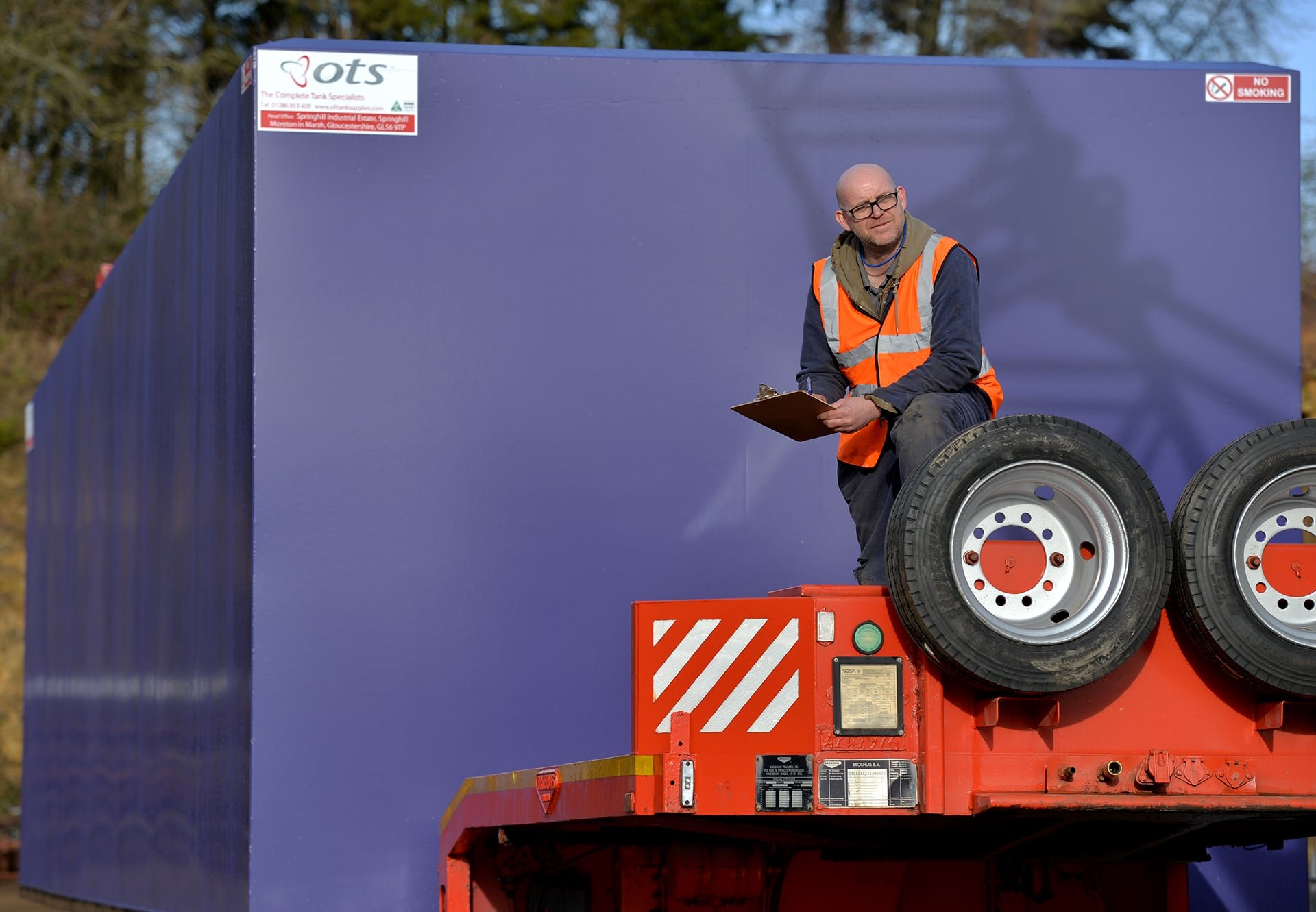
Service Inspections for Fuel & Leachate Tanks
Comprehensive inspections to meet regulatory standards and optimise your fuel, leachate and bulk liquid storage operations.
Why are Service Inspections Important?
Fuel tank inspections are a critical part of responsible asset management. Over time, fuel storage systems are exposed to wear, corrosion, vibration, environmental conditions, and operational strain. Without routine inspection, minor issues can escalate into system failures, contamination, or compliance breaches.
Our dedicated Service Inspections are designed to ensure your fuel storage facilities meet the necessary legal standards, particularly The Control of Pollution (Oil Storage) (England) Regulations 2001.
Regular fuel tank inspections help to:
Identify early signs of structural deterioration or corrosion
Detect leaks, weak points, or containment risks before failure
Maintain regulatory compliance and audit readiness
Protect surrounding soil and groundwater from contamination
Improve system reliability and reduce unplanned downtime
Support long-term maintenance planning and lifecycle management
By proactively inspecting tanks and associated infrastructure, operators can prevent costly repairs, minimise environmental risk, and ensure fuel storage systems remain safe, efficient, and compliant.
Our Service Inspection Process
Our Service Inspections are designed to suit the specific needs of each site, offering annual, bi-annual, quarterly, or bi-monthly inspections depending on the requirements. Here's a detailed overview of what our inspections entail
-
![Service Inspections]()
General Visual Checks
Our team conducts a thorough examination of the tank, pipework, and drip trays to ensure that they are free from leaks, corrosion, and other defects.
-
![Automatic Tank Gauge]()
Gauges & Alarms
We inspect the gauges by dipping the tank and verifying against the gauge readings. Any discrepancies greater than 1% will trigger a recalibration or recommendation for remedial work.
-
![Fuel Pump Maintenance]()
Pumps, Dispensers & Electrical
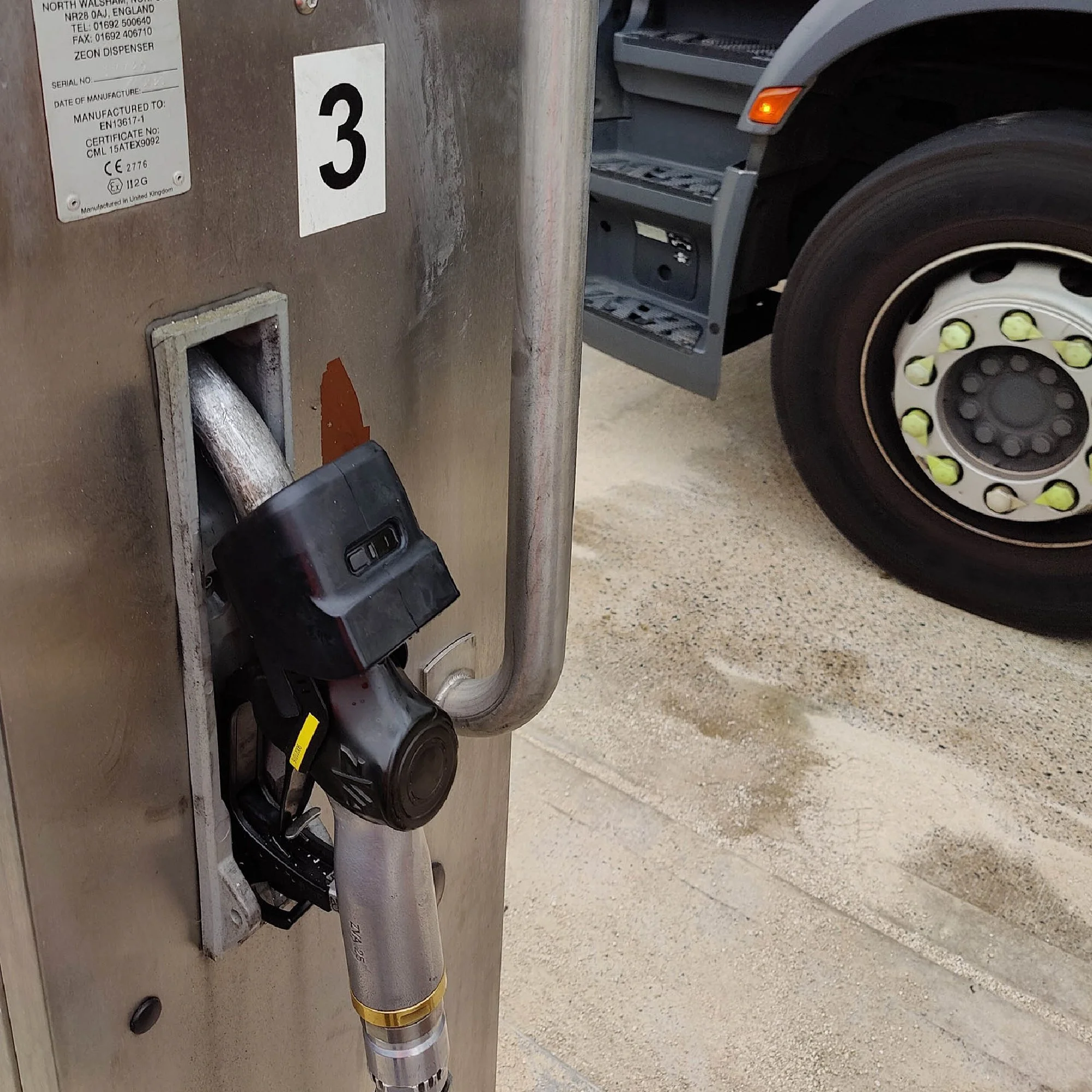
We scrutinise pumps and dispensers for leaks, perform an optional pump calibration check, and ensure all electrical systems, including emergency stop functions, are operational.
-
![Service Inspections]()
Environmental Checks
We examine the surrounding environment for obstructions or debris, and ensure that all drainage systems are clear and functional.
-
![Non-Destructive Testing]()
Non-Destructive Testing
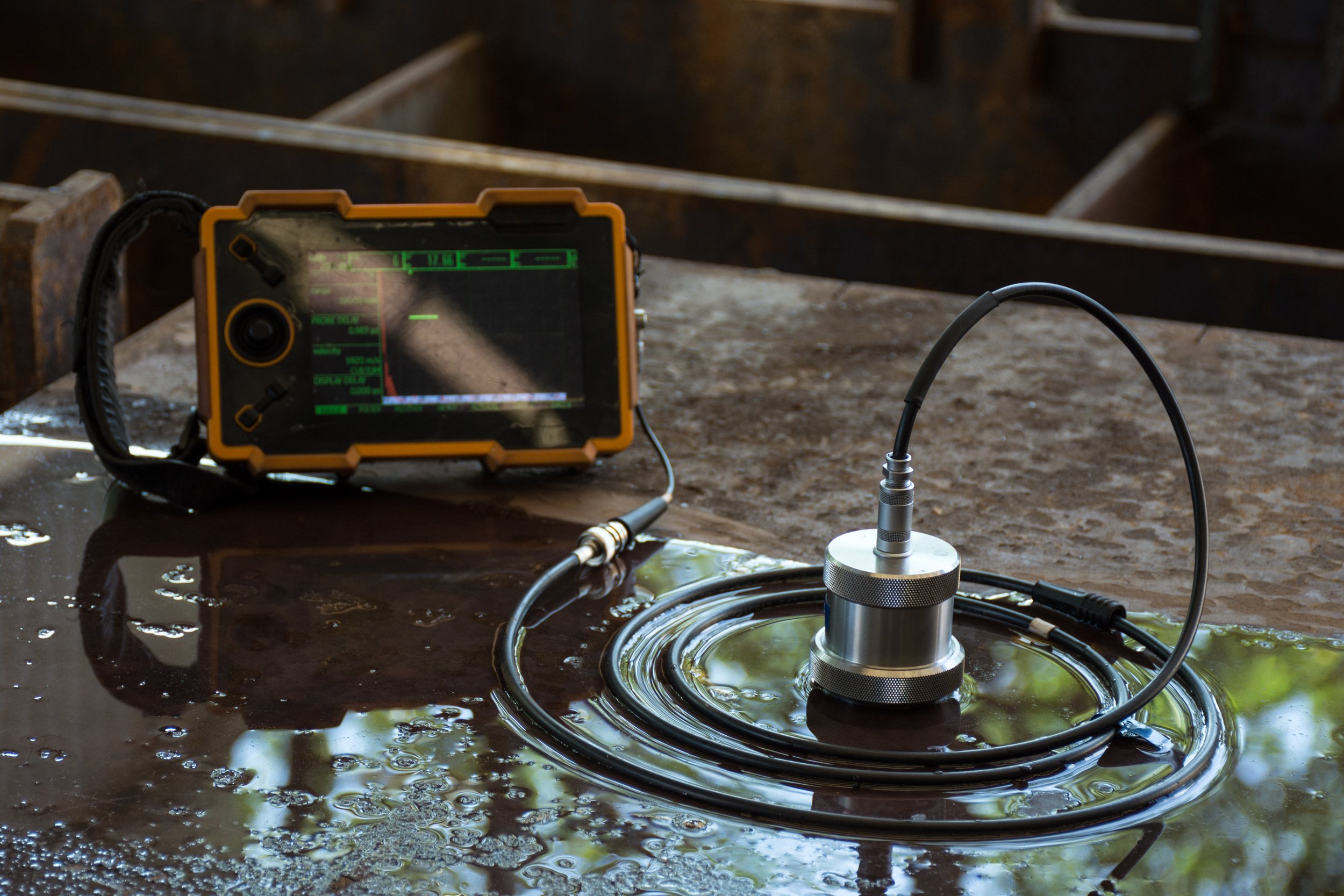
We offer optional annual NDT for tanks over 20 years old. This includes external NDT testing, external UT Thickness surveys, and an ASNT NDT level 3 internal inspection service.
-
![Fuel Sampling & Testing]()
Fuel Sampling & Testing
Our team follows stringent standards and best practices when performing fuel sampling and testing. We adhere to BS 5410-3:2023 and the Worldwide Fuel Charter guidelines, testing for various fuel degradation indicators and potential contaminations such as water contamination.



Why Choose OTS for Your Fuel Tank Inspections?
When it comes to tank inspections, experience and attention to detail matter. OTS combines hands-on engineering knowledge with a structured inspection methodology to ensure every fuel & leachate storage system is assessed thoroughly and professionally.
-
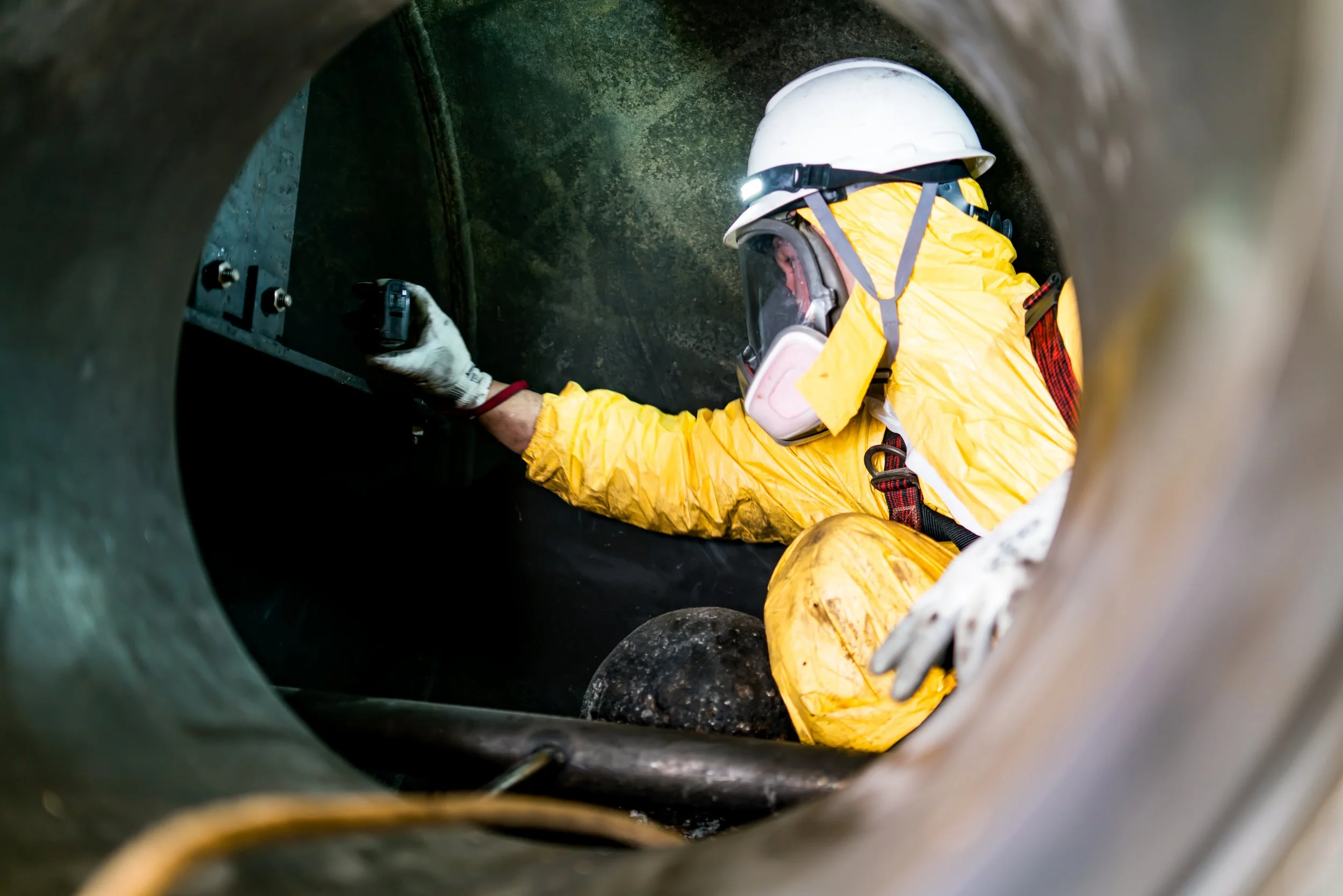
Our tank inspections are carried out by engineers with extensive experience in fuel storage systems, environmental compliance, and industrial site operations. Teams are trained to identify early-stage structural deterioration, containment weaknesses, pipework wear, and corrosion risks that may not be immediately visible.
With confined space competency and practical field experience across industrial, commercial, and critical infrastructure sites, OTS delivers inspections grounded in real-world engineering judgement, not just checklist compliance.
-
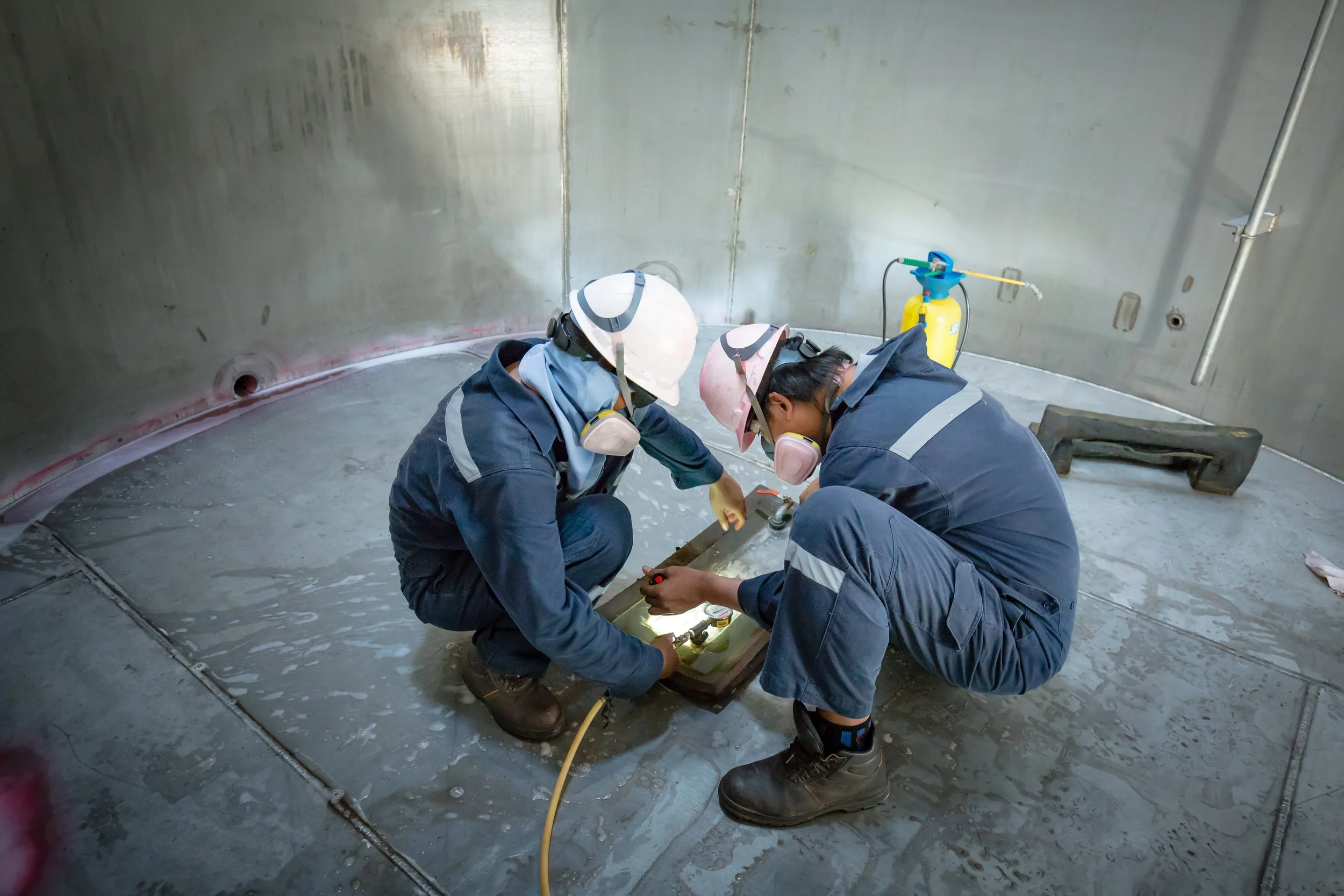
Safety underpins every fuel tank inspection we carry out. Our engineers follow strict safety protocols, including safe access planning, confined space controls where required, and environmental risk management throughout the inspection process.
We assess not only tank condition, but also surrounding containment, access systems, and potential environmental exposure, ensuring inspections support both asset protection and regulatory compliance.
-
Every fuel tank inspection is supported by a detailed, structured report outlining observed conditions, risk levels, and practical recommendations. Our reports provide clear documentation for audit purposes and internal compliance requirements.
Where issues are identified, recommendations are prioritised according to severity and operational impact, allowing site managers to plan corrective action efficiently and responsibly.
-
Fuel tank inspections are not delivered in isolation. OTS provides integrated services including fuel sampling and testing, tank cleaning, non-destructive testing, lining works, fuel uplift, and decommissioning planning.
This allows inspection findings to transition seamlessly into practical corrective action, minimising downtime and ensuring long-term asset performance.
In addition to fuel tank inspections, OTS provides structured leachate tank inspections for landfill, waste management, and environmental containment sites. Leachate systems present heightened environmental risk, requiring careful assessment of tank integrity, bund containment, pipework configuration, and discharge controls to prevent leakage and groundwater contamination.
Our leachate tank inspections evaluate structural condition, corrosion risk, containment effectiveness, and compliance with environmental regulations. Where defects or deterioration are identified, we provide clear recommendations to mitigate environmental exposure and regulatory risk.
If a leachate tank is beyond repair or scheduled for removal, OTS can manage the full process, including safe uplift and disposal of leachate waste, tank decommissioning, and compliant removal. This integrated approach ensures environmental protection and regulatory adherence from inspection through to final disposal.
Tank Service Inspections FAQ
-
A tank inspection includes a structured assessment of the tank shell, bund or secondary containment, pipework, valves, vents, gauges, access systems, and environmental protection measures. OTS engineers assess structural integrity, corrosion risk, containment effectiveness, and compliance exposure, providing a detailed report with clear recommendations.
-
Inspection frequency depends on tank age, usage, stored product, and site risk profile. Many operators adopt an annual inspection schedule, while higher-risk or critical infrastructure sites may require quarterly or biannual inspections. OTS can advise on a risk-based inspection interval aligned to your operational needs.
-
-
If an inspection identifies structural deterioration, containment weakness, contamination risk, or compliance concerns, OTS provides practical corrective recommendations. This may include tank cleaning, fuel polishing, lining works, pipework modification, or planning for decommissioning. The goal is to manage risk early and avoid operational disruption.
Book your service inspection today
Don't let your fuel storage systems fall short of compliance. Let us help you ensure the safety, efficiency, and environmental sustainability of your operations. Book a Service Inspection with OTS today and rest easy knowing your fuel storage systems meet the highest standards.