
What Really Happens During Fuel Polishing
Fuel polishing is sometimes described simply as “filtering fuel”. In practice, restoring and maintaining the condition of stored fuel is a far more involved process. It requires careful preparation, specialist equipment and engineers who understand both fuel systems and the safety procedures involved in working with storage tanks.
Where fuel supports critical systems such as generators, heating plant or industrial infrastructure, maintaining fuel quality forms an important part of planned preventative maintenance. Regular fuel inspection, sampling and polishing helps prevent contamination from developing into operational problems, while also supporting compliance and safe operation of fuel storage systems.
By managing fuel condition proactively, organisations can protect critical equipment, reduce the risk of system failures and ensure that stored fuel remains reliable when it is needed.
Why fuel contamination is a serious operational risk
Fuel stored for extended periods can gradually degrade. Water ingress, microbial growth, sediment and sludge can accumulate inside tanks over time. These contaminants are not always obvious at first but can begin to affect fuel systems as they build up.
Common problems caused by contaminated fuel include blocked filters, injector damage, poor combustion and corrosion in tanks and pipework. For sites that rely on stored fuel for standby power or essential operations, these issues can quickly become operational risks.
Fuel polishing removes these contaminants and restores fuel to an acceptable condition, helping prevent failures in systems that rely on stored fuel.
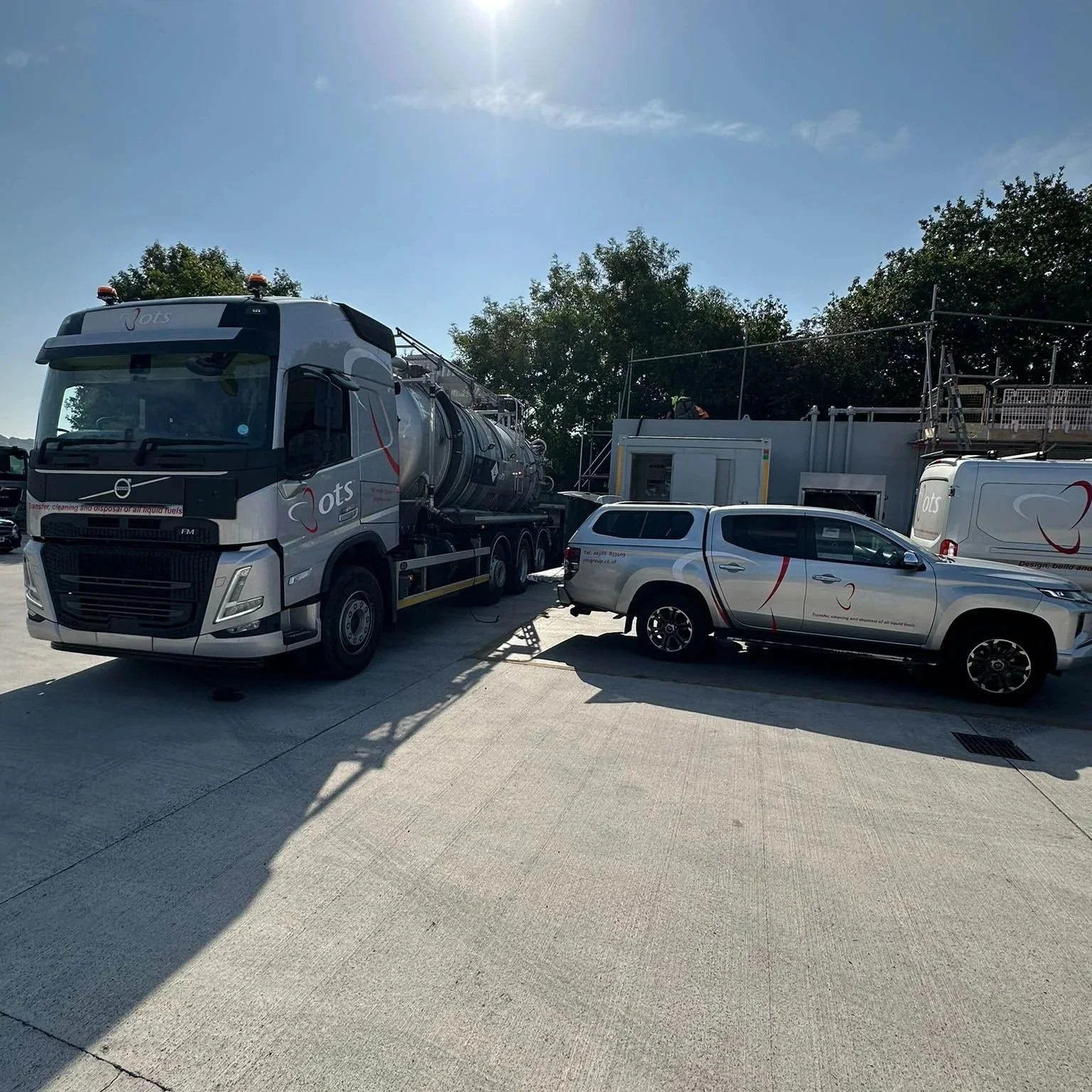
OTS tanker and support vehicle on site during fuel maintenance works. Specialist vehicles allow engineers to transport polishing equipment, temporary storage and ancillary systems required for safe fuel treatment.
Fuel polishing is a structured engineering process
Effective fuel polishing involves far more than simply passing fuel through a filter. The process normally begins with an inspection of the storage system and an assessment of the fuel condition.
As covered in our article on fuel sampling and testing, understanding the condition of stored fuel is the first step in deciding whether treatment is required. Engineers will take fuel samples or use on-site testing equipment to check for water contamination, microbial growth, sediment and other indicators of degradation.
These early checks provide a clearer picture of the fuel condition and help determine the most appropriate approach to cleaning and filtration. Every storage system is slightly different, so the polishing strategy must be adapted to the tank design, fuel condition and operational requirements.
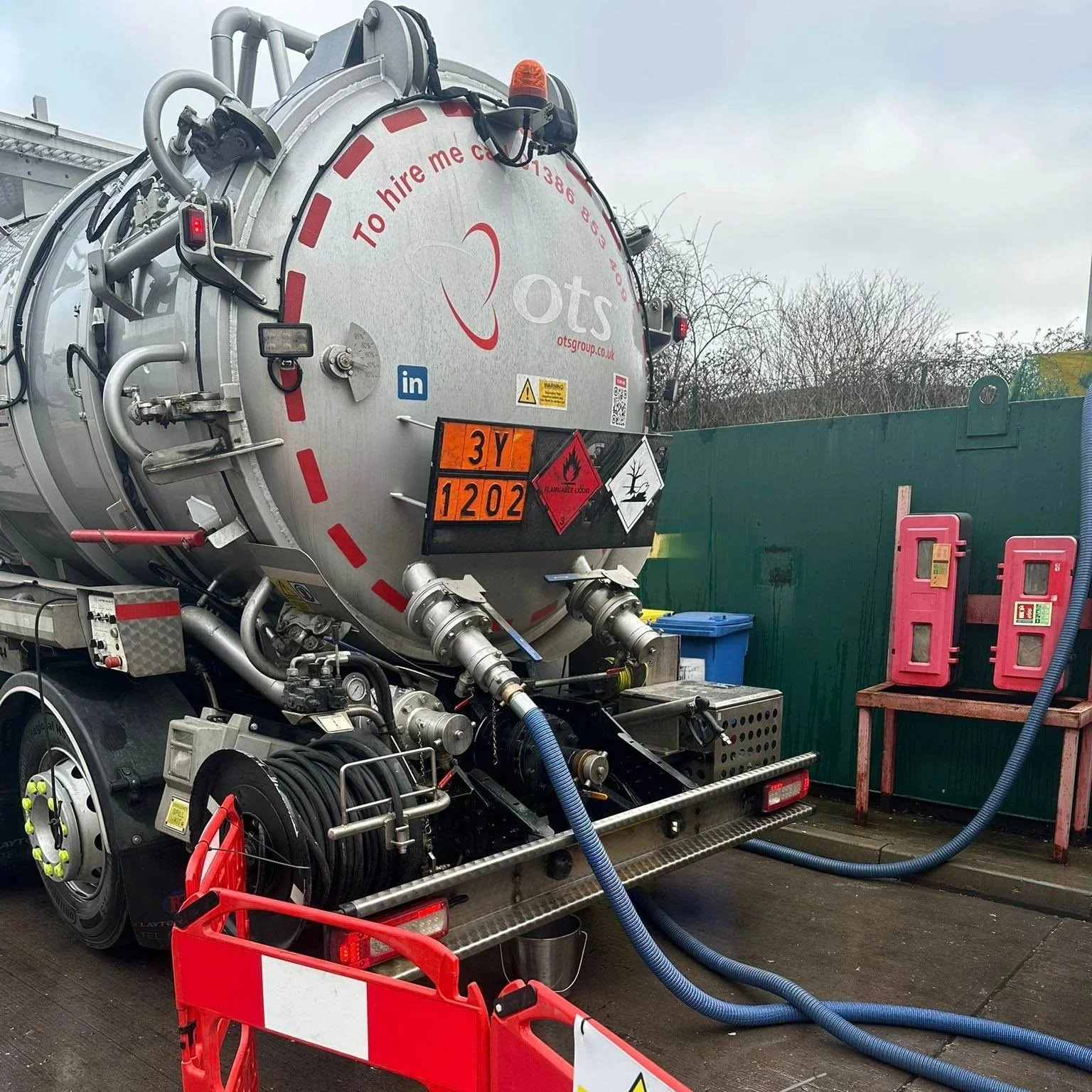
ADR tanker connected during fuel transfer and polishing works. Tankers are used to extract contaminated fuel, remove sludge and safely handle waste during the cleaning process.
On-site fuel treatment and temporary storage
Fuel polishing is typically carried out directly on site using our dedicated mobile filtration equipment.
OTS engineers bring polishing rigs, support vehicles and ancillary equipment to site so that treatment work can be carried out without removing fuel from the facility. Where necessary, fuel can be transferred to temporary storage tanks while cleaning and polishing operations are carried out.
This approach allows tanks to be temporarily emptied so engineers can remove water, sludge and contaminants before the fuel is returned to the system. In many cases it also allows fuel systems to remain operational while maintenance work takes place, which is particularly important where stored fuel supports standby generators or other critical infrastructure.
Manned and non-manned tank cleaning
Not every tank requires manned entry. In many situations contamination can be removed using external access points without entering the tank.
For non-manned entry work, fuel may be extracted through access ports while vacuum and pumping equipment remove sludge, water and sediment. This allows the tank to be cleaned from outside while minimising risk.
Where contamination levels are significant, or where the internal condition of the tank needs to be assessed, tank cleaning may be required before fuel polishing can take place.
In some situations this work involves manned entry into the tank under confined space procedures. Engineers access the tank using specialist safety equipment such as tripods, harness systems and winches, following strict confined space protocols.
During this stage the team removes accumulated sludge, water and debris from the base of the tank and cleans internal surfaces. The internal structure can also be inspected for corrosion, pitting or other signs of deterioration.
Removing these deposits ensures that contaminants remaining inside the tank do not quickly reintroduce problems once the fuel polishing process has been completed.
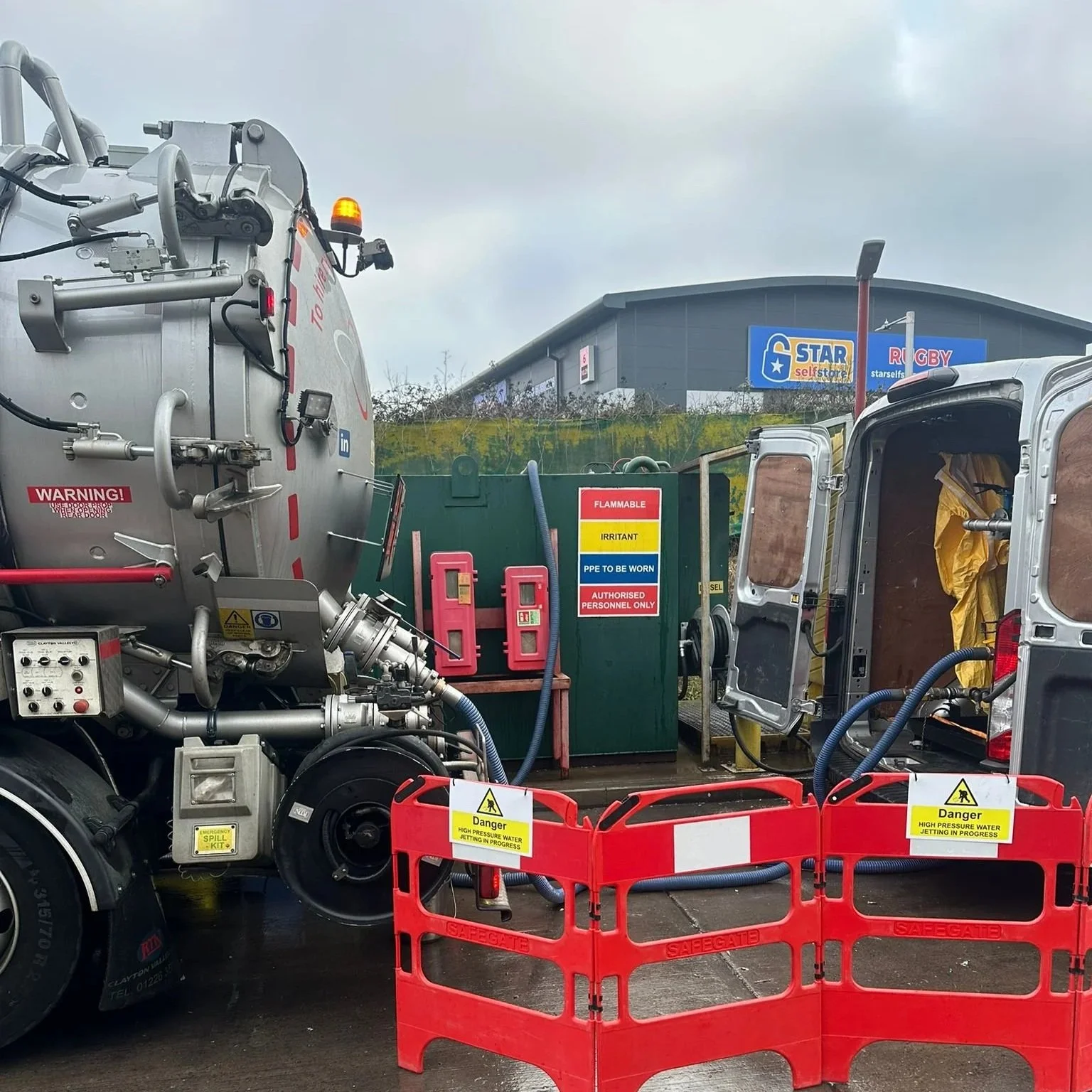
Fuel transfer connections on an OTS tanker during tank cleaning and fuel polishing operations. Pumping systems allow engineers to safely extract fuel and contaminants from storage tanks.
Tank entry: the safety side of fuel maintenance
Working inside fuel storage tanks presents significant safety challenges. Even when a tank is out of service, hazardous gases may still be present. These gases can present both health risks and potential explosion hazards.
For this reason, tanks must be properly isolated, tested and certified safe before any manned entry can take place. Gas monitoring, ventilation and confined space procedures are essential parts of the process.
Where tank entry is required, OTS deploys a minimum three-person confined space team consisting of:
Confined Space Entrant – trained to enter the tank safely and carry out cleaning work
Confined Space Attendant – positioned outside the tank to monitor the entrant and maintain communication
Confined Space Supervisor – responsible for overseeing the operation and confirming that safe working conditions are maintained
This structured approach ensures confined space operations are carried out safely and in line with industry regulations.
Fuel polishing and filtration
Once the tank has been prepared, the fuel polishing process begins.
Fuel is circulated through a multi-stage filtration system designed to progressively remove contamination from the fuel. These filtration stages are typically configured to remove water, particulate matter, sludge and microbial contamination.
During this process the fuel is recirculated through the filtration system until the required cleanliness level is achieved.
This staged approach allows engineers to progressively improve fuel quality rather than attempting to remove contamination in a single pass.
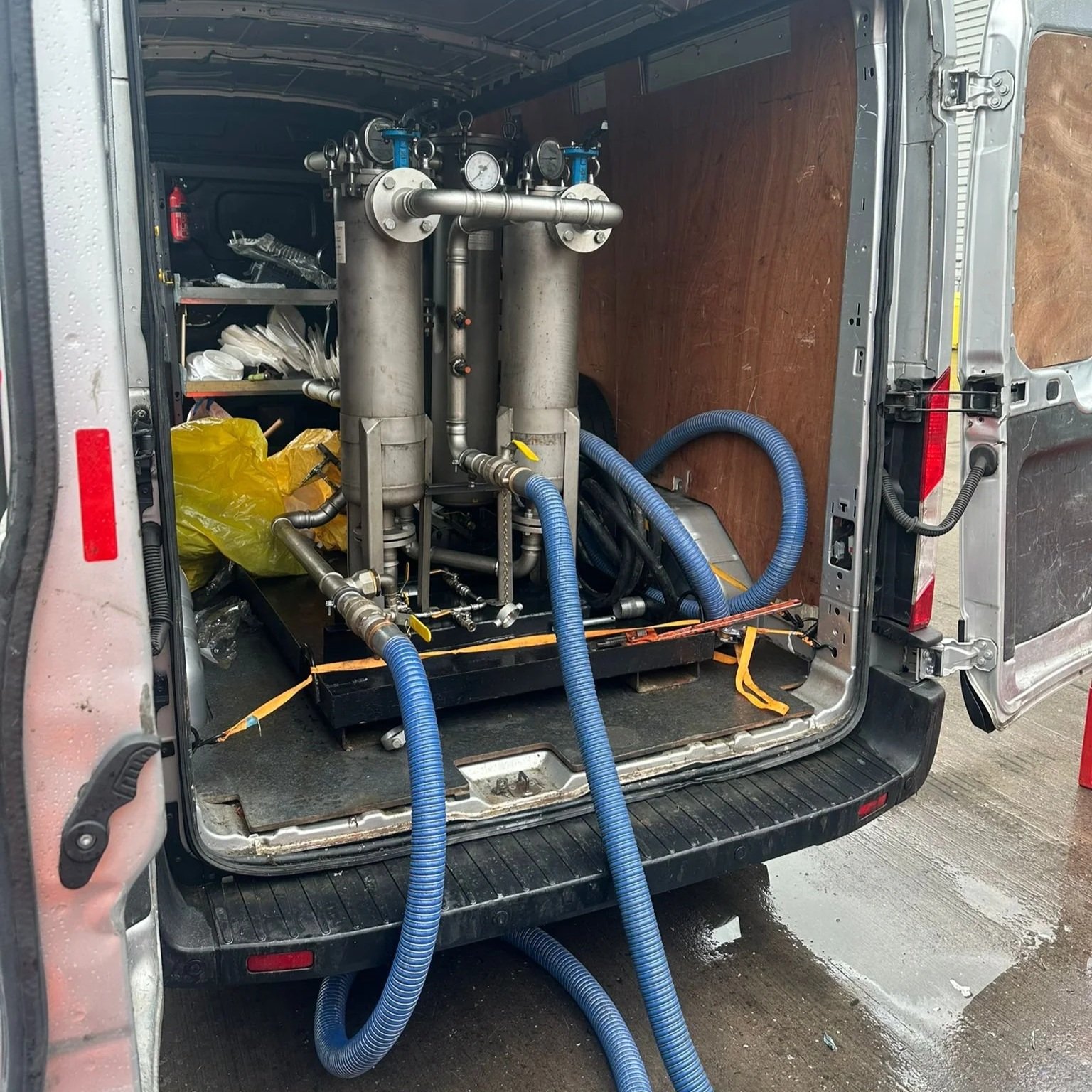
Mobile fuel polishing rig installed inside an OTS service vehicle. These filtration systems allow engineers to circulate and clean stored fuel directly on site.
Testing fuel before and after treatment
Fuel sampling and testing form an important part of the polishing process.
Samples are taken before treatment begins to establish the initial condition of the fuel. Further samples are taken during and after polishing to confirm that contamination levels have been reduced and that the fuel has returned to an acceptable condition.
In many cases on-site testing provides enough information to guide the polishing process and confirm results. Where more detailed analysis is required, samples can also be sent for laboratory testing.
This ensures that the results of fuel polishing are based on measured data rather than visual assessment alone.
Why experience and equipment matter
From the outside, fuel polishing can appear straightforward. In practice it involves a combination of safety management, tank cleaning, filtration and fuel testing.
Carrying out this work safely requires trained personnel, specialist equipment and a clear understanding of both fuel systems and confined space procedures.
By combining experienced engineers, mobile fuel polishing rigs, confined space teams and fuel testing capability, OTS is able to deliver fuel maintenance work that is both safe and technically robust.

Fuel samples taken before and after polishing. Testing helps engineers confirm that contamination has been removed and that fuel cleanliness has improved following treatment.
Maintaining reliable fuel systems
Maintaining stored fuel is essential for protecting the reliability of systems that depend on it. If you would like to learn more about fuel polishing, fuel sampling or fuel condition monitoring, visit the OTS fuel sampling and testing page.
Alternatively, if you need help with a fuel quality issue or would like to arrange a site visit, contact the OTS team to discuss your requirements.