
OTS Group has been featured in the latest edition of Insite Magazine, discussing why planned preventative maintenance (PPM) should be viewed as risk prevention rather than reactive repair.
The article explores how routine inspections, fuel sampling, and structured maintenance programmes help operators protect fuel quality, maintain compliance, and avoid costly disruption across critical infrastructure.
Planned tank maintenance as risk prevention, not reaction
Fuel storage tanks underpin many safety-critical and operationally sensitive environments. While failures are often described as sudden, experienced operators know that most tank-related issues develop incrementally, driven by predictable environmental and operational factors.
Planned preventative maintenance (PPM) is therefore less about fixing faults and more about controlling known risks. When applied consistently, it protects fuel quality, supports compliance, and reduces the likelihood of disruptive intervention.
As one OTS Group service engineer recently noted:
“Most of the issues we’re called to respond to could have been identified months earlier through routine inspection and sampling.”

How degradation typically develops
Fuel storage tanks operate in variable conditions, often over long periods and with irregular drawdown. Common degradation mechanisms include:
Water ingress - via breathers, seals, access points, or condensation
Microbial contamination - developing at the fuel-water interface
Sediment accumulation - from oxidation by-products and particulates
Internal corrosion - particularly in legacy steel tanks or poorly protected areas
These processes are slow and largely invisible externally. As a result, they may only surface when fuel quality begins to impact downstream equipment, or when inspection identifies advanced deterioration.
What is labelled a “sudden failure” is far often more accurately a late-stage discovery.

What effective PPM looks like in practice
For fuel storage, PPM is a structured programme rather than a single activity.
In practice, it typically includes:
Scheduled internal and external inspections
Fuel sampling and analysis to identify water, microbial activity, and particulate load
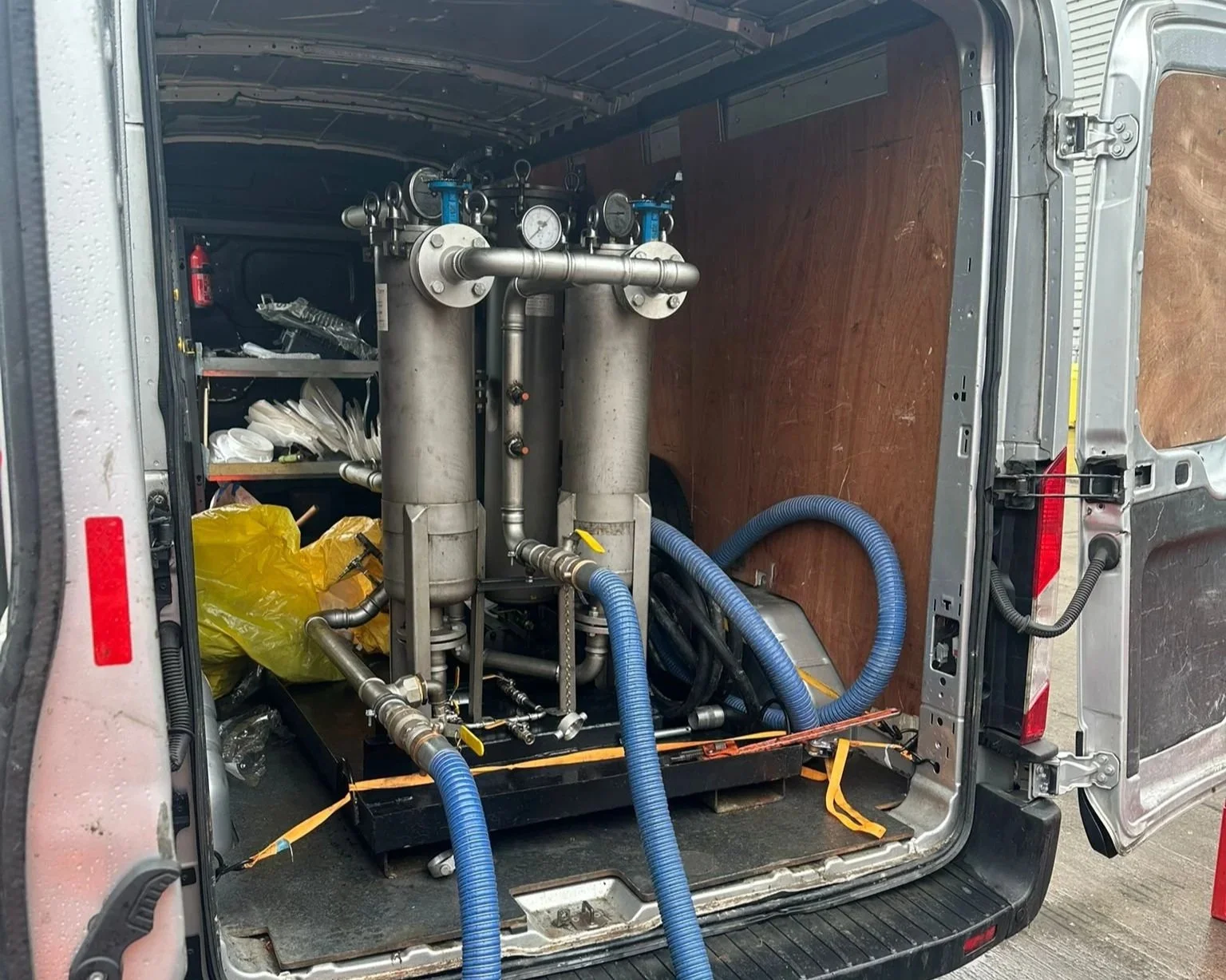
Tank cleaning or fuel polishing, where contamination is present but manageable
Review of ancillary systems, including pipework, bunds, and overfill protection
Clear documentation to support traceability and audit requirements
Critically, these activities are planned around operational needs, allowing proportionate intervention. This avoids the time pressure, cost escalation, and disruption associated with reactive callouts.

Fuel quality and system reliability
Fuel related equipment issues are frequently traced back to storage conditions rather than supply. Poor tank hygiene can lead to blocked filters, injector damage, and reduced generator reliability, particularly in systems that see limited use.
Standby and emergency systems present a specific challenge. Fuel may remain static for extended periods but is expected to perform immediately and reliably when called upon.
Planned maintenance ensures that:
Fuel remains within specification
Contamination is identified early
Tanks are fit for long-term storage rather than short-term turnover
This provides confidence that systems will operate as intended, without introducing risk at critical moments.

Case example: fuel polishing as a preventative intervention
At a large UK healthcare site, routine fuel sampling identified early-stage microbial contamination in a bulk diesel storage tank supporting standby generators. There were no reported outages, performance issues, or compliance breaches.
Rather than escalating to fuel removal or tank downtime, a planned fuel polishing programme was implemented alongside targeted tank inspection. The process removed water, microbial growth, and particulates while maintaining fuel availability throughout.
Follow-up sampling confirmed fuel quality within specification, and the site avoided both disruption and unnecessary disposal.
The key factor was early identification through routine monitoring, rather than reactive response.
Compliance, records, and professional accountability
While regulatory frameworks vary, operators are increasingly expected to demonstrate active stewardship of fuel storage assets. Planned maintenance supports this by generating:
Inspection reports
Fuel quality records
Maintenance logs and service histories
These provide evidence of due diligence and support audit readiness.
In contrast, irregular or undocumented maintenance often creates compliance gaps, even where no immediate fault is present.
A preventative approach offers clarity, consistency, and accountability.
Prevention as the operational standard
Well-maintained tanks rarely attract attention because they do not fail. This can make preventative maintenance easy to undervalue, particularly where systems appear to be functioning normally.
However, the absence of incidents is the outcome of deliberate planning. Routine inspection, sampling, and early intervention prevent manageable issues from becoming operational or environmental risks.
Across the sector, there is growing recognition that prevention is not simply a cost control measure, but a fundamental component of safe, professional fuel storage management.
Conclusion
Fuel storage tanks are long-term assets operating in demanding conditions. Planned preventative maintenance provides a practical framework for managing degradation, protecting fuel quality, and meeting compliance expectations without disruption.
By adopting a preventative mindset rather than a reactive one, operators can ensure fuel systems remain reliable, auditable, and fit for purpose throughout their working life. In fuel storage, the safest outcome is achieved long before a problem becomes visible.
Read the full article in Insite Magazine
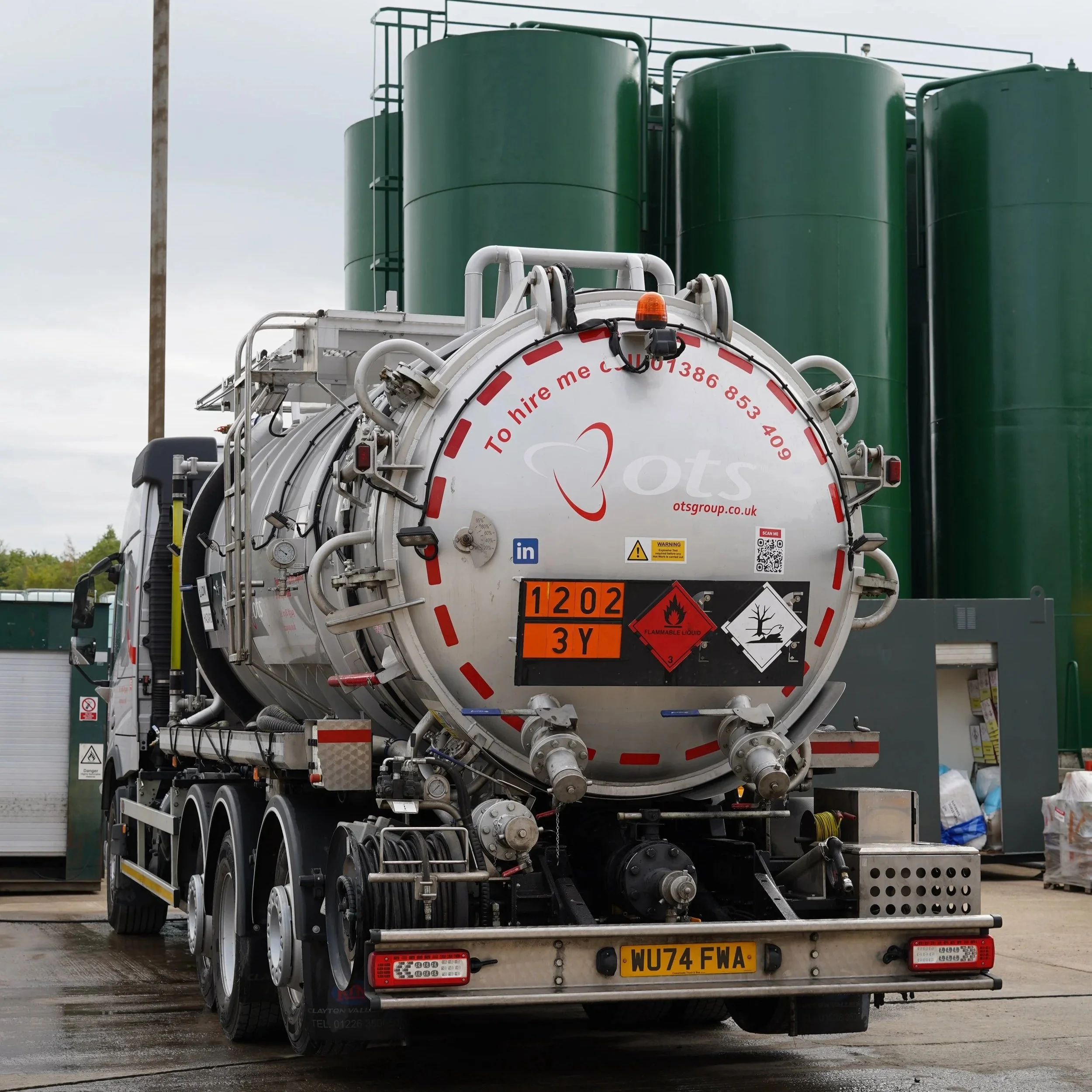
OTS Group is proud to be featured in the latest issue of Insite Magazine, highlighting the role of planned preventative maintenance in protecting fuel storage systems and supporting operational resilience.
Download the latest issue of Insite Magazine to read the full feature.