
Fuel Theft Prevention Starts with Proper PPM
As fuel prices rise and supply remains uncertain, businesses are being forced to look more closely at fuel security. The current conflict in the Middle East has affected major shipping routes and added pressure to global oil markets. An increase in fuel theft incidents is already being noted and protecting stored fuel is fast becoming an operational priority. This article covers the role PPM plays in site security and an easy-to-follow checklist to make sure tanks, alarms, locks and dispensing equipment are being checked properly.
In many cases, theft risk comes from a build-up of small weaknesses across the installation. A damaged cabinet, worn lock, poorly protected fill point, untested alarm systems, vulnerable pipework or missing barrier protection can all make a site easier to target. When those issues go unchecked, the opportunity for theft increases.
That is why preventative planned maintenance plays an important role in fuel security.
A proper PPM inspection does more than confirm that tanks and dispensing equipment are still operating. It provides a structured review of the physical condition, security and reliability of the whole set-up. That includes tanks, cabinets, pipework, fill points, shutters, doors, locks, alarms, gauges, pumps, electrical systems and the wider site environment around them.
A typical site survey would include the condition of external and internal tanks and cabinet surfaces, the presence of corrosion or damage, the condition of shutters and locks, the clarity of identification plates and fill point labelling, and whether drip trays and bunds are clean and free from product or debris. Gauge and alarm checks help confirm whether monitoring equipment is functioning correctly, and pump and electrical checks assess the condition of housings, hoses, nozzles, isolators and associated electrical equipment.
The checklist below highlights some of the practical areas operators can look at when considering whether their current set-up may be vulnerable to theft, loss or avoidable maintenance issues.
| Fuel security checklist |
| Is the fuel tank, cabinet and surrounding equipment free from corrosion, impact damage or signs of poor repair? |
| Are cabinet doors, shutters, lids and access points closing properly and locking securely? |
| Are fill points and distribution points clearly labelled and protected against unauthorised access? |
| Are alarms fitted where required and have they been tested recently, including tank alarms and bund alarms? |
| Are gauges reading correctly and can fuel levels be monitored reliably? |
| Are pumps, hoses, nozzles and housings secure and in good working condition? |
| Is exposed pipework protected and free from obvious tampering risk? |
| Are bunds, drip trays and containment areas clean and free from fuel, water or debris? |
| Are electrical components such as isolators, enclosures and RCD protection in good condition? |
| Is impact protection in place around tanks, cabinets and dispensing equipment where vehicles operate nearby? |
| Is lighting around the fuel installation adequate, especially around access points and dispensing areas? |
| Are fencing, gates or barriers around the fuel storage area in good condition and providing effective site security? |
| Are drainage gullies and interceptors near the installation clear and in serviceable condition? |
| Is any older, unused or redundant equipment creating a security or maintenance weak point on site? |
| Are fuel usage patterns being reviewed so unexplained losses or unusual activity can be identified quickly? |
These practical checks have direct security value.
If a lock is damaged, an access point is poorly protected, an alarm has not been tested, or impact protection is missing, the site may be more exposed than the operator realises. Even where theft does not occur, weak points can still lead to loss, damage or unsafe operation. A structured inspection helps identify those issues early so they can be addressed before they become more serious.

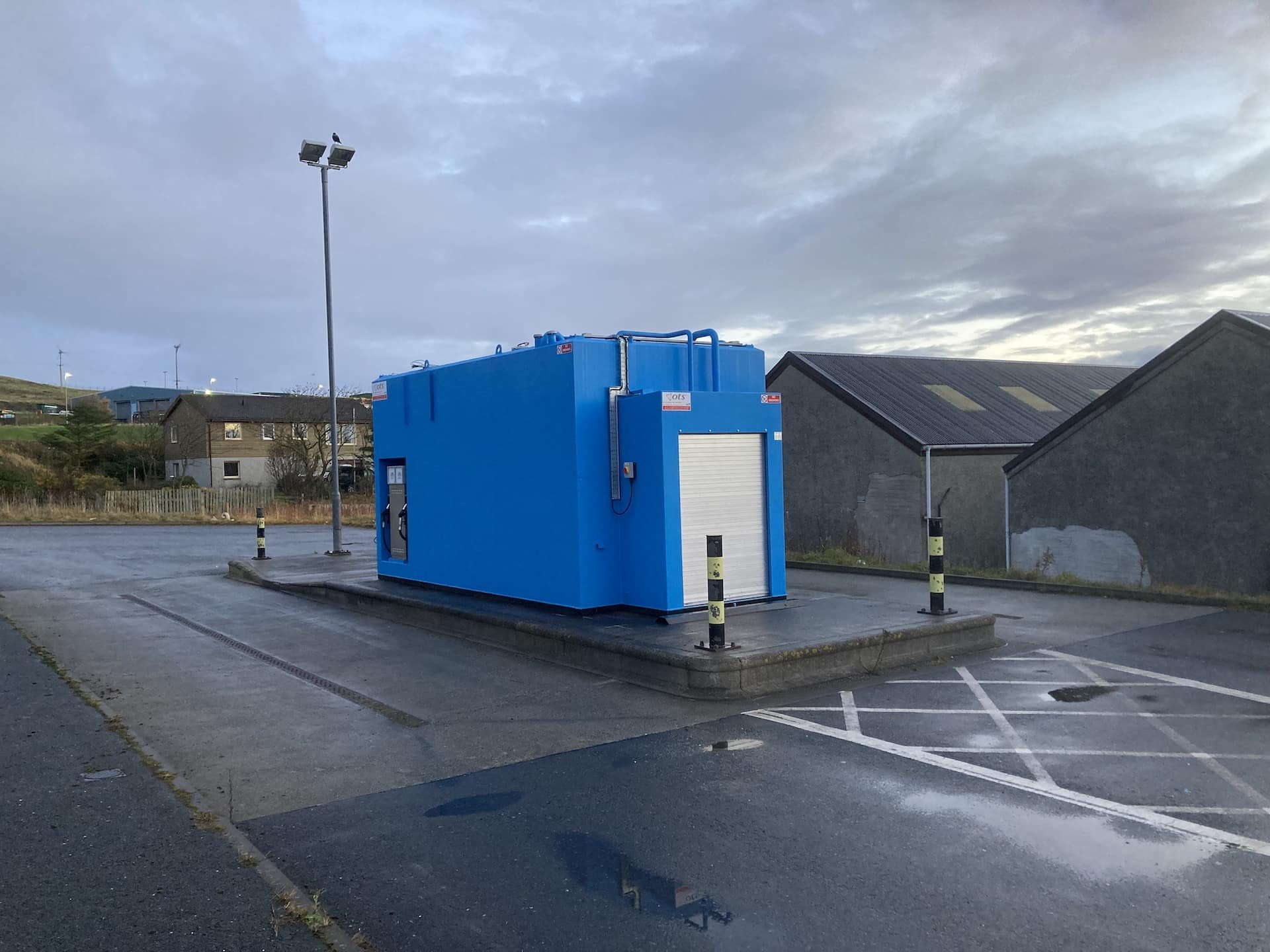
Basic physical measures still matter too. The location of the fuel store, site lighting, fencing, barriers and the quality of locks on fill points and distribution equipment all affect how vulnerable an installation is. High-quality steel bunded tanks with protected entry points such as OTS’ SecuriTank™ remain an important part of theft prevention, but those measures work best when they are supported by regular inspection and well-maintained equipment.
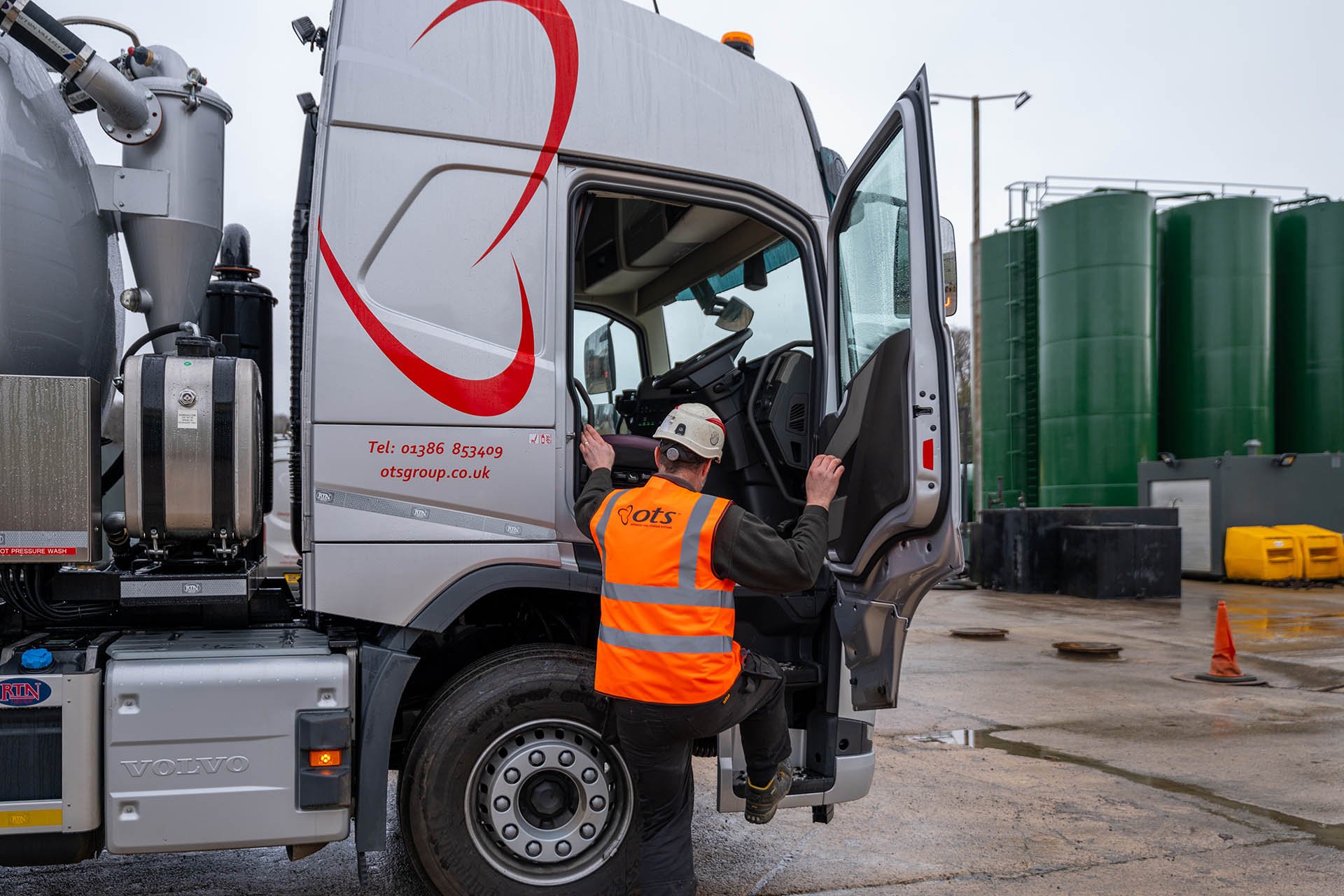
OTS supports clients by surveying fuel installations, carrying out planned maintenance inspections and identifying practical improvements that strengthen security and reliability. If fuel theft is a concern, one of the best starting points is to make sure the existing set-up is being checked properly.
To find out how Fuel Management Systems can help operators monitor usage more closely, control access and identify unusual losses earlier in a bid to improve fuel security, stay tuned for our next article by following us on LinkedIn.