
Fuel Security Starts with Control of Supply
Drawing on insights from Bruce Woodall, Director of the Fuel Experts Association and owner of OTS Group, this article looks at why storage, supply planning and fuel control matter more when market conditions become uncertain.
With the crisis in the Middle East, rising pressure on fuel supply is forcing many businesses to take a closer look at how secure and resilient their fuel arrangements really are. For operators that rely on liquid fuel, the issue is not just cost. It is continuity, control and the ability to keep vehicles, equipment and sites running when supply conditions become more difficult.
OTS Group has worked in fuel storage and infrastructure for more than 50 years. That experience includes previous periods of fuel disruption, including the oil crisis of 1972–73 and more recently COVID. The lesson remains the same. When supply comes under pressure, businesses that rely entirely on external access to fuel can quickly become exposed.
That is why fuel security needs to be looked at more broadly.
Having fuel security means having access to fuel when needed. This means ensuring that an operation has the storage, stockholding and supply arrangements in place to keep operating when the market becomes more difficult.
When we met with Bruce Woodall he asked operators to consider one simple question: “if fuel becomes harder to access, how long can the business continue to run normally?”
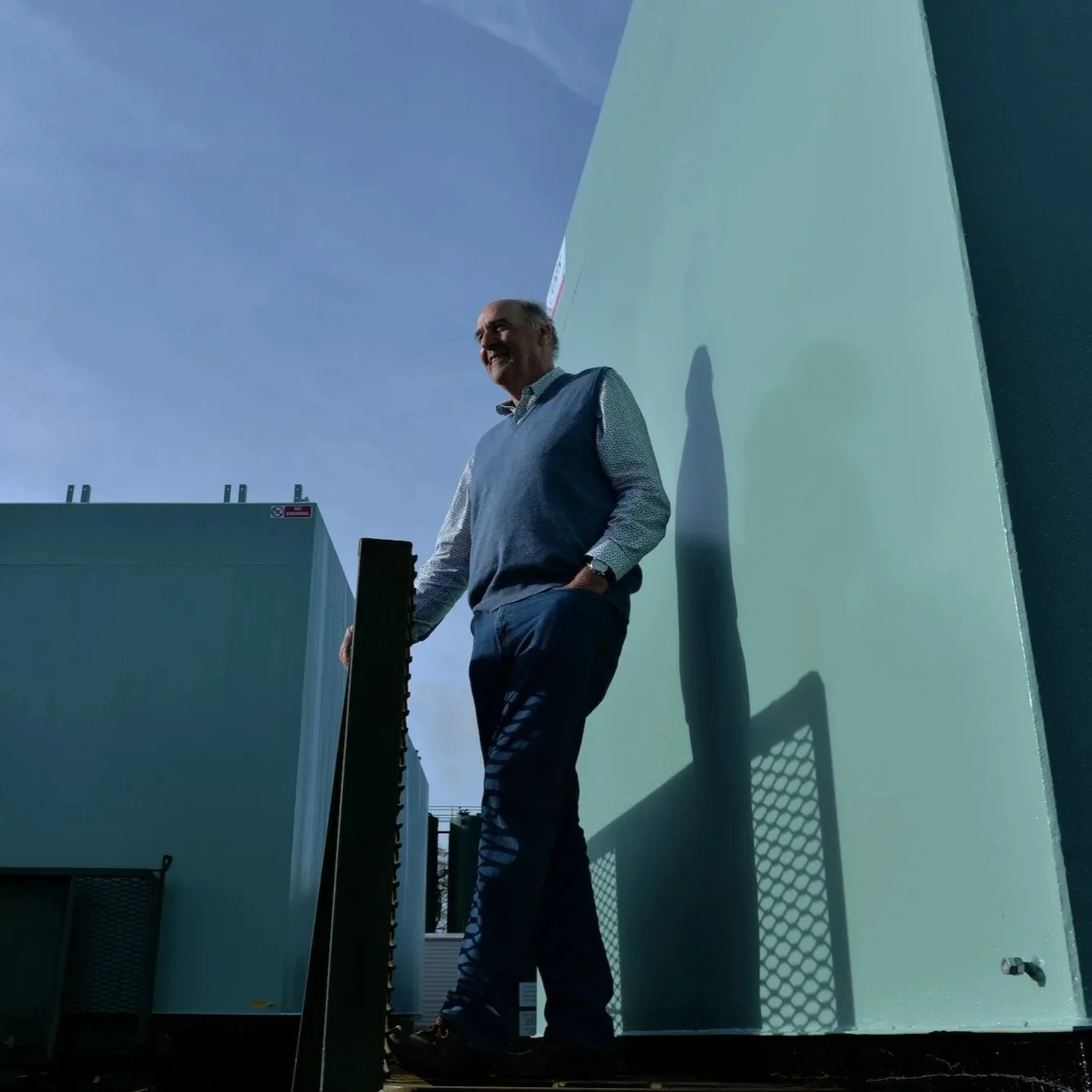
Step 1: Ensuring sufficient on-site fuel storage
The first step to improved fuel resilience is on-site fuel storage.
“Businesses that have the available space should think seriously about storing fuel on site. The starting point is to look at typical usage and size storage around operational needs. In many cases, that means aiming for around one month’s supply. Where cashflow makes that impossible, even two weeks of stored fuel can still provide a useful level of protection.”
If organisations are relying exclusively on Fuel Cards, now would be the time to consider self-managed fuel storage. Fuel cards may offer convenience, but they do little to protect operators from volatility when supply conditions become more difficult. Because pricing is typically short-term, businesses have no real way to buy ahead, hold stock and soften the impact of sudden market shifts.
As Bruce puts it, “fuel cards work when there are no supply problems and pricing remains stable. But in times of uncertainty or volatility, fuel cards don’t guarantee price regulation any more than buying fuel at the petrol forecourt.”
So how should organisations work out how much fuel storage they need?
Bruce’s guidance is to start with monthly fuel usage. Operators should look at how much fuel the business typically uses over a four-week period and use that as the basis for tank sizing. However, where cashflow is tighter, the tank does not need to be filled to capacity straight away. A business may choose to install the right size tank for its long-term needs, but only fill it to 50% initially. “The point is not that every operator must fill a tank to capacity straight away. It is that having the infrastructure in place gives the business more options if supply conditions change.”

Step 2: Building a 12-month supply relationship
Bruce also argues that fuel purchasing should be treated more strategically. While shopping around for the cheapest deal each week or month can appear cost-effective in the short term, it creates a transactional, price-led approach with little stability behind it.
Operators should instead look at their annual fuel usage and build a stronger relationship with a distributor over a 12-month period. That creates a more planned approach to procurement, linked to expected demand rather than spot buying in a fluctuating market.
The advantage is not just administrative. In more difficult market conditions, suppliers are more likely to support customers they have an established relationship with than those who only buy occasionally.
A well-planned fuel storage set-up gives operators greater control over stock, more flexibility in how they buy and more protection against interruptions caused by supply issues, severe weather or wider market instability. It also creates a stronger foundation for the other parts of fuel security, including physical protection, planned maintenance, monitoring and accountability over fuel use.
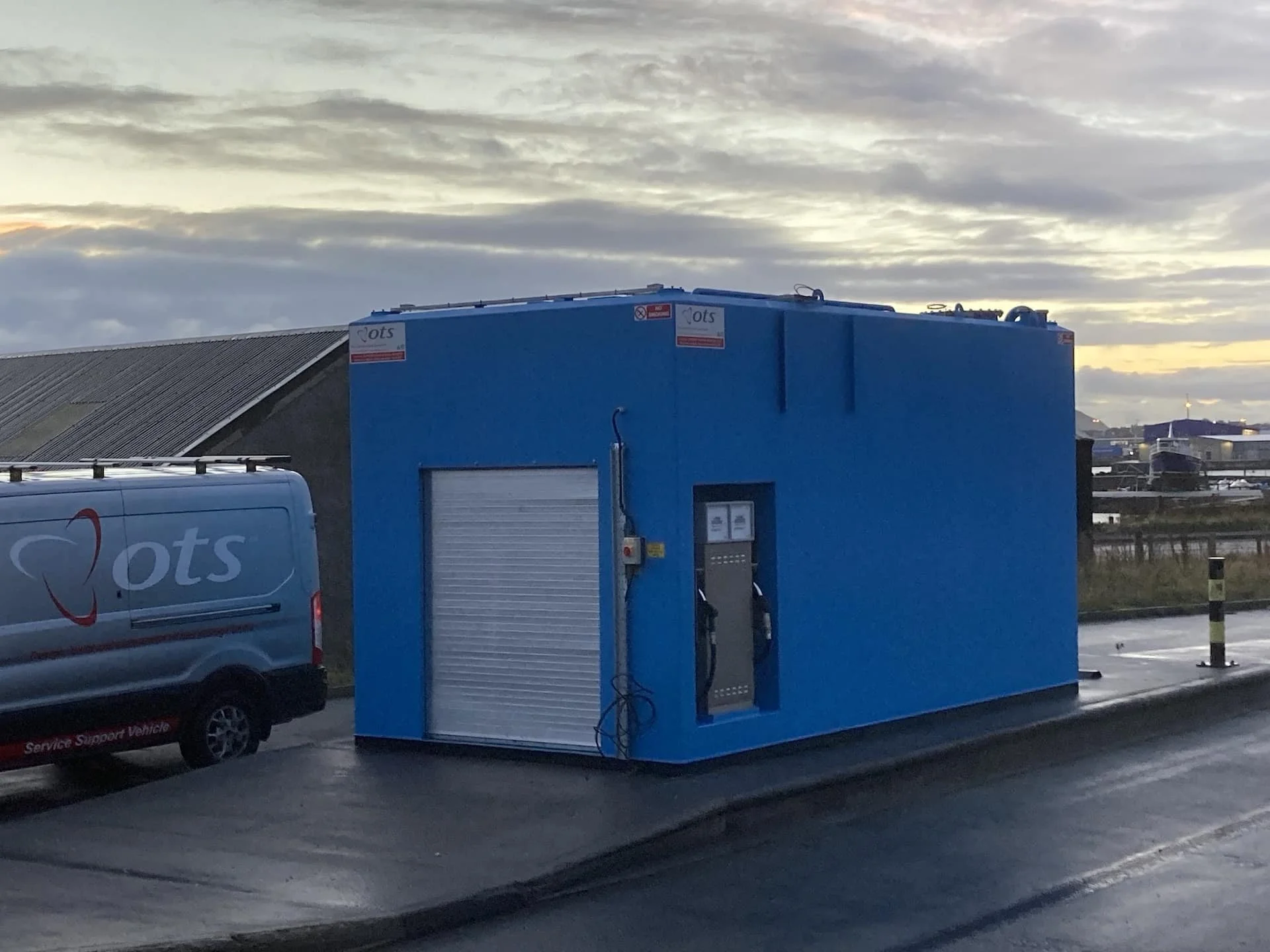
This article is the first in a wider OTS series on fuel security. The next article looks at how planned preventative maintenance helps identify weaknesses that can increase theft risk, and the final article explores the role of fuel management systems and remote monitoring in giving operators better visibility and control.
OTS supports clients with fuel storage, fuel system design and practical advice on improving fuel resilience. If your business depends on fuel, it is worth asking whether your current set-up gives you enough control when conditions become more difficult.