
Tank Audits and Decommissioning: A Structured, Compliant Approach
Fuel, leachate, and process tanks are long-life assets, but they are not permanent ones. When tanks reach the end of their operational life, or when sites change use, expand, or modernise, they require a structured audit and decommissioning plan.
How OTS Group approaches tank audits & decommissioning
At OTS Group, tank audits and decommissioning projects are treated as safety-critical, environmentally sensitive engineering exercises. The objective is not simply to remove a tank, but to do so in a way that manages risk, maintains compliance, and allows the site to move forward without disruption or legacy issues.
This article outlines our 5-step process to carrying out tank audits and translating findings into safe, compliant decommissioning strategies.
Stage 1: Audit planning and data review
Before stepping on site, OTS engineers review all available information to understand the asset and its operational history.
This typically includes:
Tank drawings and specifications
Age, capacity, and construction type
Fuel or product type stored
Previous service, inspection, or maintenance records
Known site constraints or operational considerations
Alongside this, the relevant regulatory and safety frameworks are identified. These may include environmental regulations, fire safety guidance, confined space requirements, and local authority conditions.
The output of this stage is a defined audit methodology and inspection checklist, tailored to the specific tanks and site conditions, rather than a generic inspection approach.
Stage 2: On-site tank inspection
The site audit focuses on the physical condition of the tank and its surrounding infrastructure.
During the inspection, OTS engineers assess:
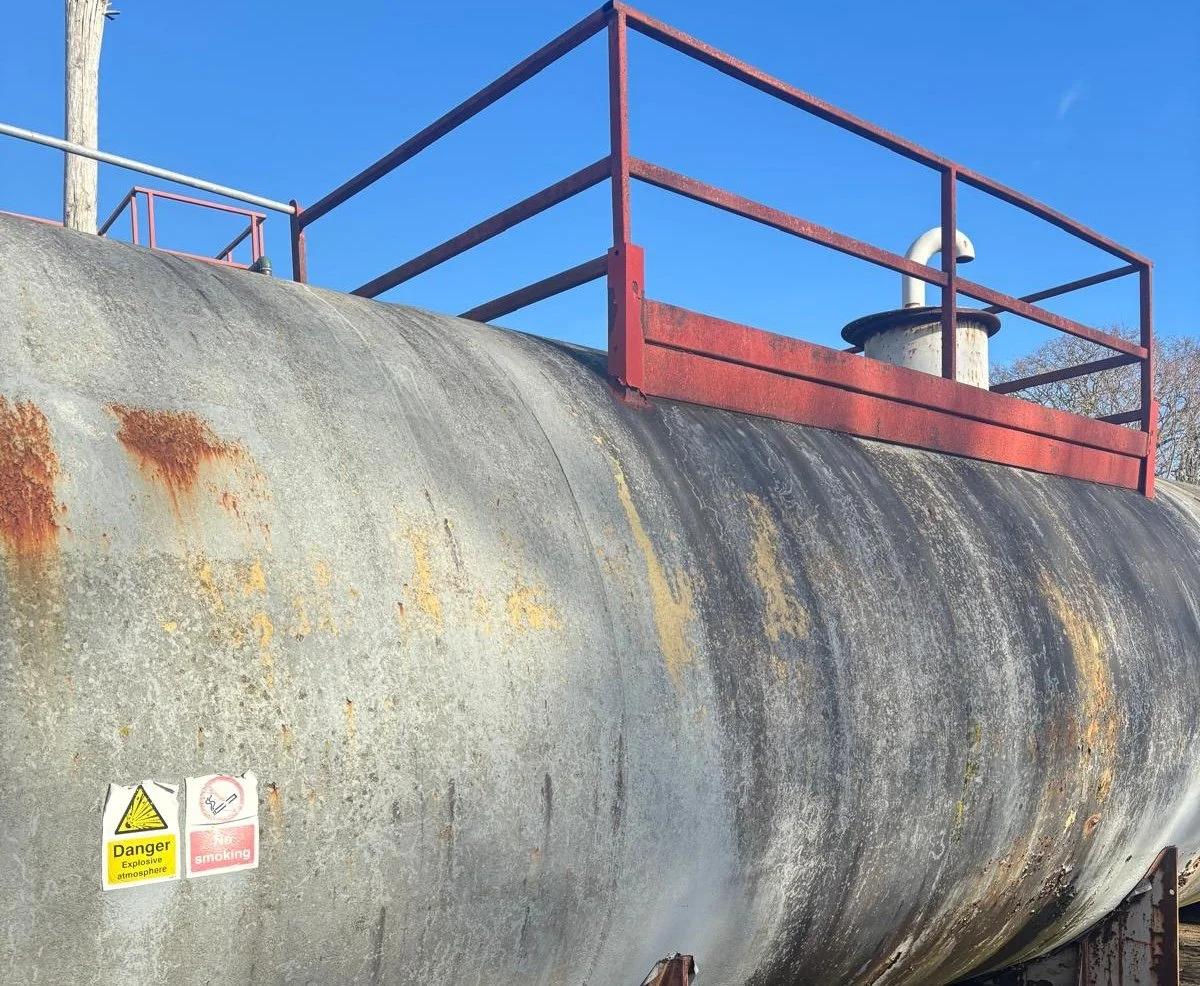
Tank structure, shell condition, and corrosion
Bund integrity and secondary containment
Pipework, valves, vents, and fittings
Identification, labelling, and accessibility
Walkways, ladders, and access systems
Surrounding ground conditions and environmental exposure
This stage is as much about context as condition. A structurally sound tank may still present risk if access is unsafe, pipework is poorly configured, or if surrounding ground conditions raise contamination concerns.
Stage 3: Fuel and residual assessment
Understanding what remains inside a tank is a critical part of the audit.
We confirm:
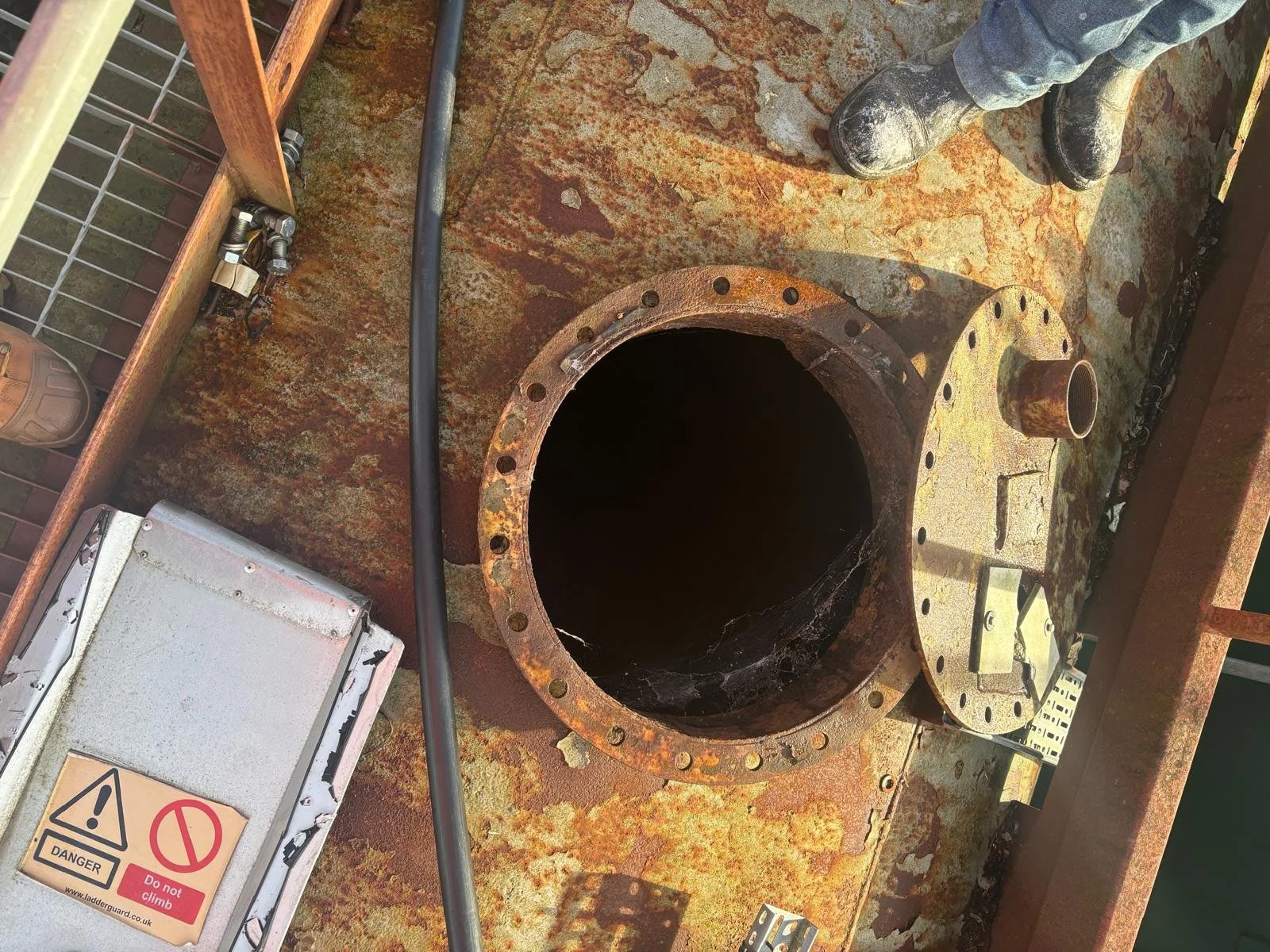
Whether the tank contains usable fuel, waste product, sludge, or vapour
The volume of residual material present
Signs of contamination, water ingress, or degradation
The presence of hazardous materials, including fuel vapours or legacy coatings
This assessment informs the next stages of planning. A tank with minimal clean fuel may be treated very differently to one containing contaminated product or heavy sludge.
Stage 4: Environmental and safety risk assessment
Tank decommissioning carries inherent risks, particularly when fuel or leachate systems are involved. OTS carries out a detailed environmental and safety risk assessment as part of the audit process.
Key considerations include:
Risk of soil, groundwater, or surface water contamination
Effectiveness of existing spill prevention measures
Fire and explosion hazards
Confined space risks during cleaning or entry
Compliance with HSE and environmental regulations
This stage ensures that the decommissioning strategy protects not only the site, but also the wider environment and the people carrying out the work.
Stage 5: Decommissioning readiness and method selection
Based on the audit findings, we evaluate the most appropriate decommissioning route.
Options may include:
Temporary out-of-service status
Permanent closure in situ
Full tank removal and disposal
The audit identifies which method is suitable and what preparatory works are required, such as emptying, cleaning, gas-freeing, or pipework isolation.
This stage is where audit insight becomes a practical, deliverable plan.
To find out more about the decommissioning process itself, why not check out our in depth articles:
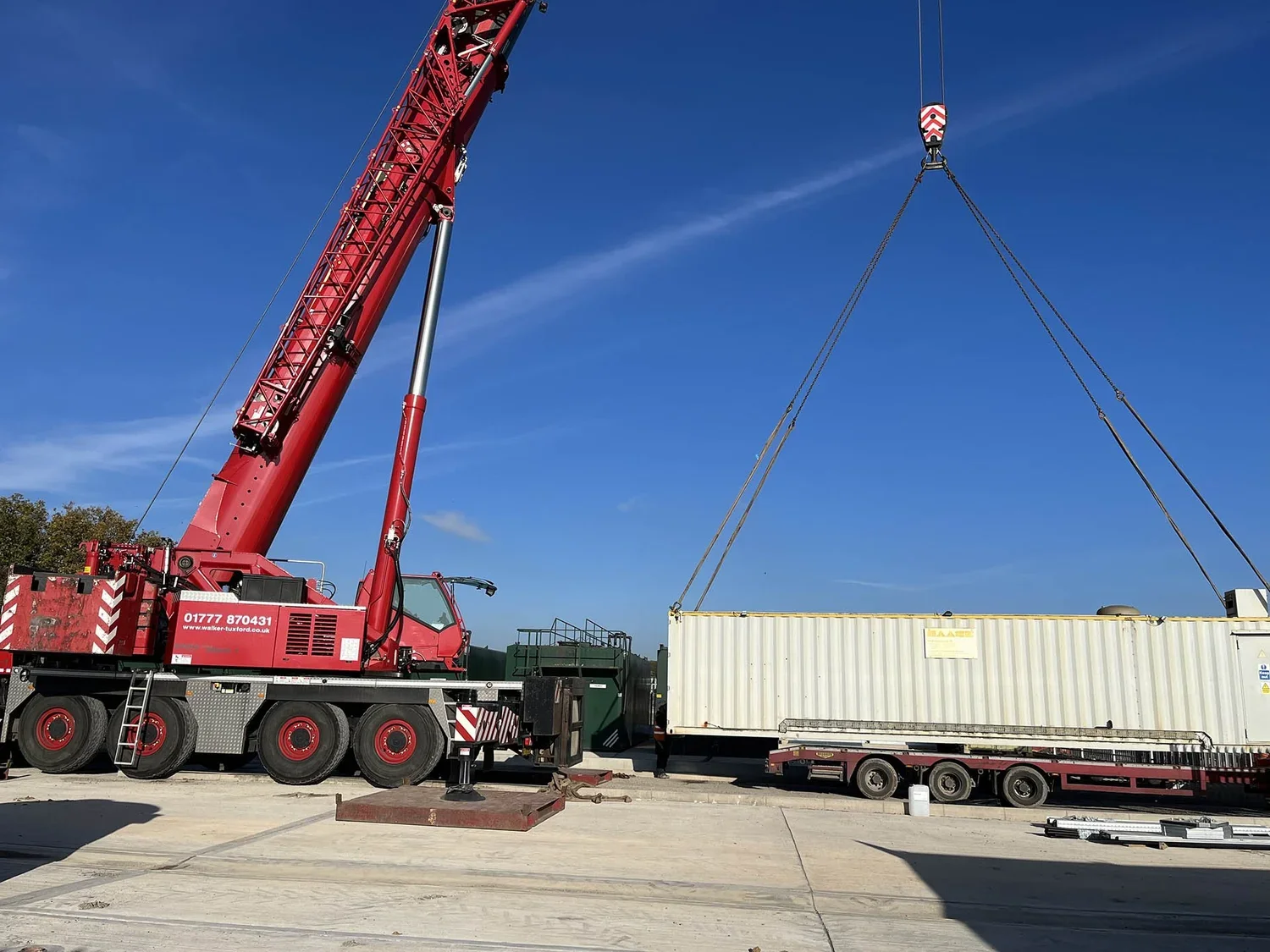
From audit to execution: example landfill leachate tank project
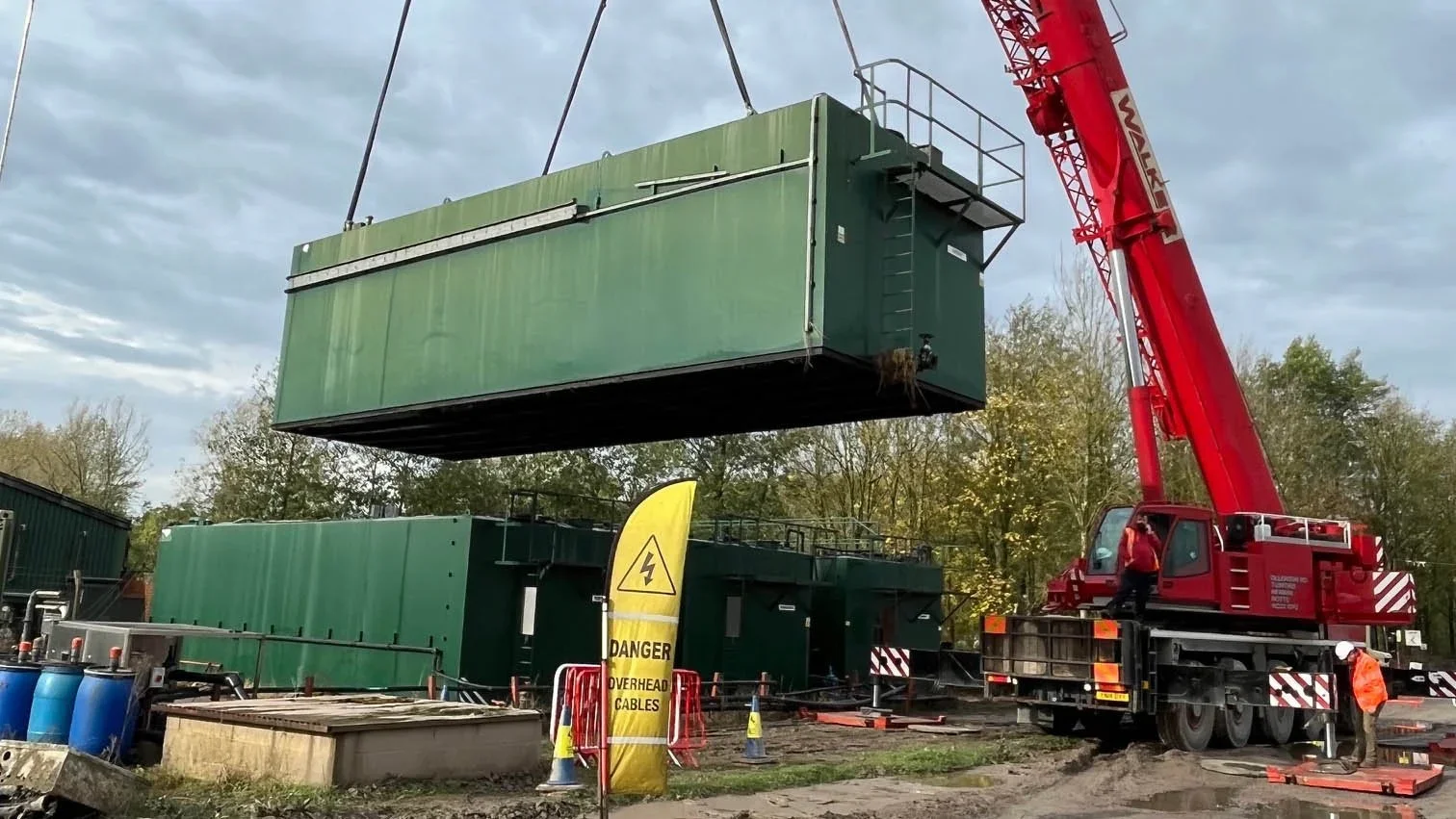
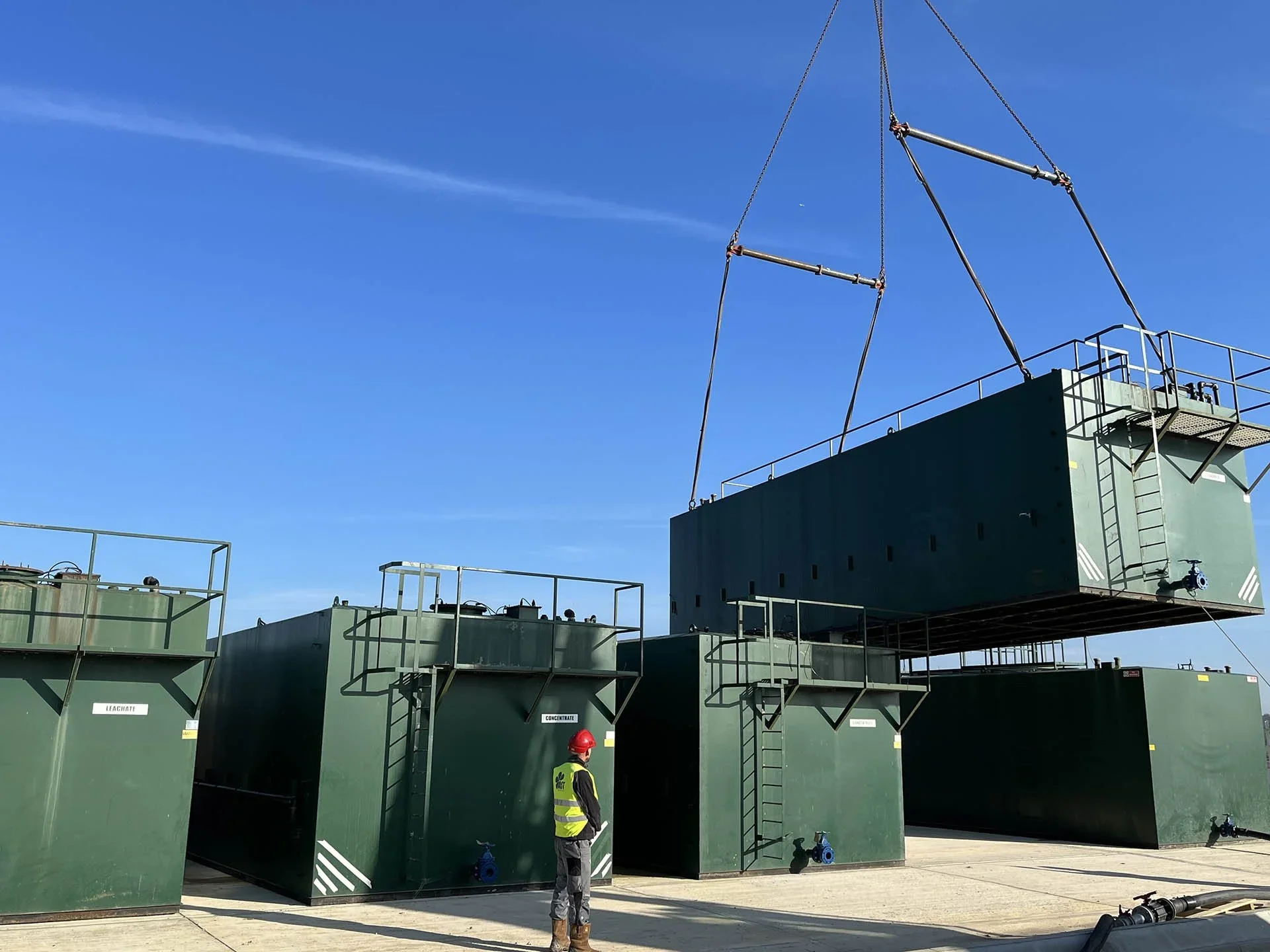
As part of a recent quoted project for a landfill site, OTS was engaged to audit multiple leachate storage tanks ahead of planned infrastructure changes.
The scope identified through the audit included:
Decommissioning of four existing tanks on site
Removal of welded walkways and ladder systems
Decanting and reconfiguration of associated pipework
Lifting and removal of tanks using crane operations
Disposal of tanks via an approved metal recycling facility
Once the site is cleared, the planned next phase involves installation of a new tank system, full pipework reinstatement, and commissioning to return the site to operational status.
This project illustrates how OTS uses audit data to move seamlessly from assessment to safe, structured decommissioning planning.
Get in touch with our team to talk about your decommissioning project.